
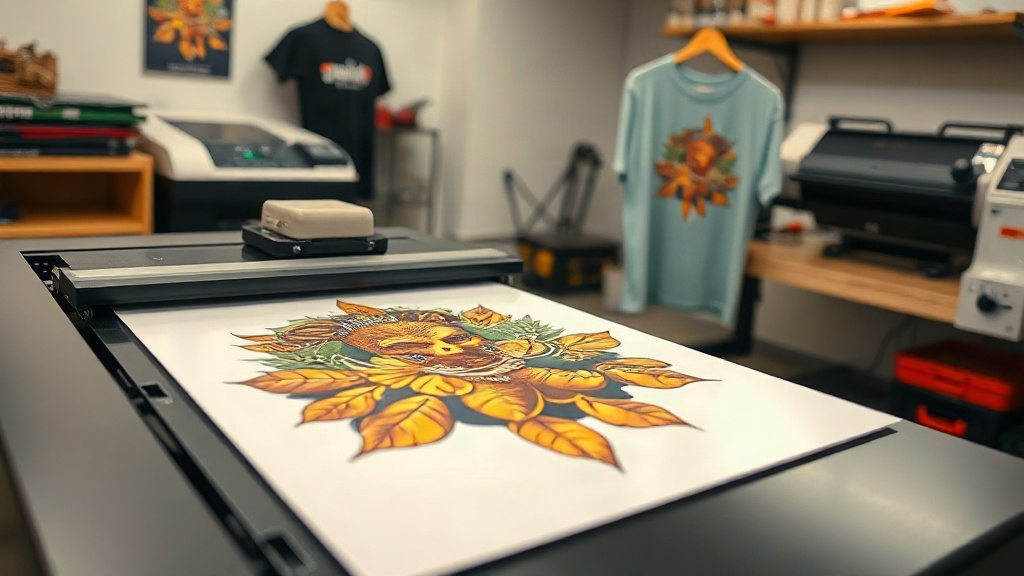
When it comes to decorating apparel with vibrant, detailed designs, DTF printing has emerged as a game-changer. Unlike traditional methods that require specific fabrics or extensive setup, DTF (Direct to Film) printing offers unmatched versatility and durability. Whether you're a small business owner, a hobbyist, or a professional printer, understanding DTF printing can elevate your creations to new heights. In this guide, we'll dive deep into the world of DTF printing, covering everything from the basics to advanced tips for achieving professional-grade results.
What is DTF Printing?
DTF printing, or Direct to Film printing, is a digital printing technique where your design is printed onto a special film, coated with adhesive powder, and then heat-pressed onto the fabric. This method allows for full-color, high-detail prints on a wide range of materials, including cotton, polyester, blends, and even leather. The process is relatively straightforward: print, powder, cure, and press. But the magic lies in the chemistry and precision involved.
The DTF Printing Process Step by Step
To achieve consistent results, it's crucial to understand each stage of the DTF printing process. Here's a breakdown:
- Design Preparation: Create your artwork in a graphic design software, ensuring it's mirrored (unless your printer software does it automatically).
- Printing: Use a DTF printer with specialized DTF inks and film. The printer lays down a layer of white ink (for opacity) followed by CMYK colors.
- Powdering: While the ink is still wet, apply a generous amount of hot-melt adhesive powder over the print. Shake off the excess.
- Curing: Place the film in a curing oven or under a heat press to melt the powder. This step is critical for durability.
- Heat Pressing: Transfer the design onto your garment using a heat press at the recommended temperature and pressure.
- Peeling: Once cooled, peel off the film to reveal your vibrant design.
Each step requires attention to detail, but with practice, you'll master the flow.
Why Choose DTF Printing?
DTF printing stands out for several reasons. Let's explore the key benefits that make it a preferred choice for many.
Versatility Across Fabrics
One of the biggest advantages of DTF printing is its ability to adhere to almost any fabric. Unlike DTG (Direct to Garment) which works best on 100% cotton, DTF can be used on cotton, polyester, nylon, leather, and even treated wood. This opens up a world of possibilities for customizing various items, from t-shirts and hoodies to tote bags and caps.
Vibrant Colors and Fine Details
DTF printing excels at reproducing intricate designs with gradients, fine lines, and photographs. The white ink base ensures that colors pop even on dark garments. Whether you're printing a detailed portrait or a bold logo, the results are sharp and vivid.
Durability and Washability
When properly applied, DTF prints are highly durable. They withstand repeated washing without fading, cracking, or peeling. This makes them ideal for items that undergo frequent use, such as work uniforms or sports jerseys.
Cost-Effective for Short Runs
Unlike screen printing, which requires separate screens for each color and is cost-effective only for large orders, DTF printing has a low setup cost. This makes it perfect for small businesses, personalized gifts, and on-demand printing.
Common Challenges and How to Overcome Them
While DTF printing is user-friendly, beginners often encounter issues. Here are some common problems and their solutions.
Adhesion Issues
If the print peels off after washing, it's likely due to insufficient powder or incorrect curing. Ensure you apply enough adhesive powder and cure it properly. Also, check that your heat press settings (temperature, pressure, time) match the film and fabric recommendations.
Clogged Printheads
DTF inks contain white pigment that can settle and clog printheads if not used regularly. Perform daily maintenance, including cleaning cycles and shaking the ink cartridges. Store the printer in a dust-free environment.
Color Accuracy
Colors may appear differently on screen versus the final print. Invest in a color management system and calibrate your monitor. Also, use ICC profiles provided by your ink or film manufacturer.
Film Handling
DTF film is sensitive to moisture and static. Store it in a cool, dry place and handle with care to avoid smudges or creases.
Tips for Perfect DTF Prints
To consistently achieve professional results, follow these best practices.
- Choose Quality Supplies: Not all DTF inks, films, and powders are created equal. Invest in reputable brands to avoid compatibility issues.
- Test and Calibrate: Before a big job, run test prints to dial in your settings. Keep a log of successful parameters for different fabrics.
- Control the Environment: Humidity and temperature affect ink and powder behavior. Aim for a stable environment around 70°F and 50% humidity.
- Press Properly: Use a heat press with even pressure. Too little pressure leads to poor adhesion; too much can cause the design to spread.
- Follow Wash Instructions: Advise customers to wash garments inside out in cold water and avoid fabric softeners to prolong print life.
DTF vs. Other Printing Methods
How does DTF stack up against DTG, screen printing, and vinyl? Here's a quick comparison.
DTF vs. DTG
DTG prints directly onto the garment and works best on 100% cotton. It's great for detailed, soft prints but struggles with polyester and dark colors. DTF transfers can be used on any fabric and produce more vibrant colors on dark garments.
DTF vs. Screen Printing
Screen printing is cost-effective for large orders but requires setup per color. DTF is more flexible for small batches and complex designs with many colors.
DTF vs. Vinyl
Heat transfer vinyl is limited to single-color designs and can feel thick. DTF allows full-color, photographic prints with a softer feel.
Frequently Asked Questions
How long do DTF prints last?
With proper application and care, DTF prints can last as long as the garment itself, often 50+ washes without significant fading.
Can I use DTF on 100% polyester?
Yes, DTF works well on polyester, but you may need to adjust heat press settings to avoid scorching. Use a lower temperature and shorter pressing time.
What is the best temperature for DTF heat press?
Typically, 325°F (160°C) for 15 seconds with medium pressure. However, always follow your film and powder manufacturer's recommendations.
Do I need a special printer for DTF?
You can convert an existing inkjet printer to DTF with a DTF ink system and film, but dedicated DTF printers offer better reliability and output.
How do I store DTF film and prints?
Store unprinted film in a cool, dry place away from direct sunlight. Printed but uncured transfers should be used within a few days; cure them before storing long-term.
Mastering DTF printing opens up a world of creative and business opportunities. With the right knowledge and tools, you can produce stunning, durable apparel that stands out. Remember, practice makes perfect, so don't be afraid to experiment and refine your process. Happy printing!