
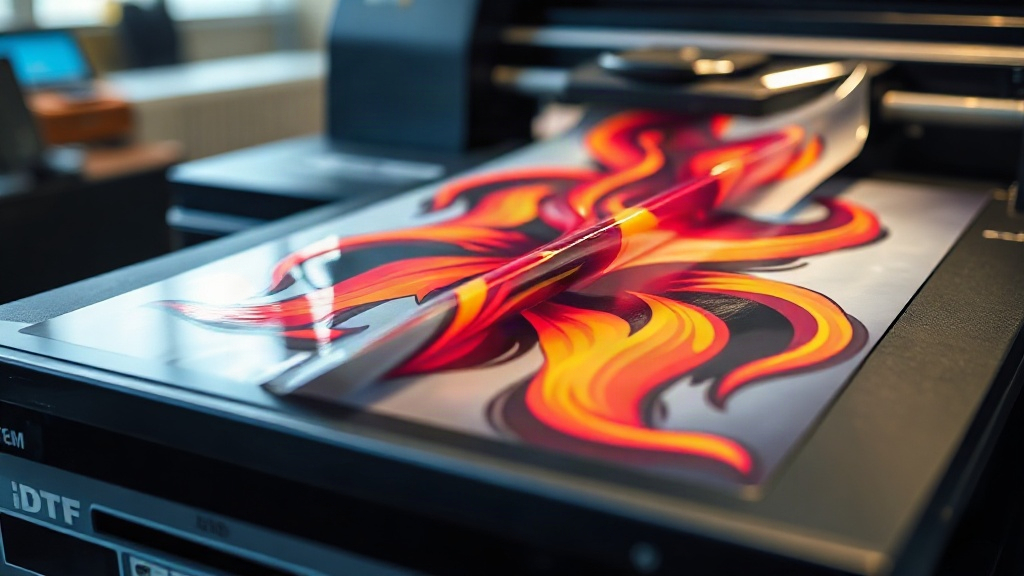
When I first heard about DTF printing, I was skeptical. Could a transfer really stick to cotton, polyester, and blends without weeding? After countless trials, I can say yes, but only if you nail the details. This guide shares what I have learned so you can avoid the mistakes that cost me time and materials.
What Is DTF Printing and Why It Matters
DTF stands for Direct to Film. It is a printing method where your design is printed onto a special film, coated with adhesive powder, and then heat-pressed onto fabric. Unlike DTG or screen printing, DTF works on almost any fabric, including dark colors and synthetic blends. That flexibility makes it a game-changer for small shops and hobbyists.
Choosing the Right Film and Ink
Not all films are created equal. I have tested many brands, and the difference in feel and durability is huge. Look for a film that is matte on one side and glossy on the other. The matte side holds the ink, while the glossy side peels away after pressing. For ink, use a high-quality DTF ink set designed for your printer. Pigment inks for DTF are different from regular dye inks, so do not substitute.
Ink and Film Compatibility
Some printers, like converted Epsons, work well with DTF inks. But you must ensure your printer's printhead can handle the viscosity. I use an Epson F2100 with DTF ink and it runs smoothly. If you are using a converted printer, flush the lines thoroughly before switching to DTF ink.
The DTF Printing Process Step by Step
- Design Preparation: Mirror your image horizontally. This is crucial because the film is flipped when pressed.
- Printing: Load the film with the matte side up. Print at high quality with the correct color profile.
- Powder Application: While the ink is wet, sprinkle hot-melt adhesive powder evenly. Shake off excess.
- Curing: Place the film in an oven or under a heat gun until the powder melts and becomes glossy.
- Pressing: Heat press at 325°F for 15 seconds with medium pressure. Peel the film warm or cold, depending on the film type.
Common DTF Problems and How to Fix Them
Ink Not Adhering to Film
If the ink smears or does not stick, your film might be loaded wrong. The matte side must face the printhead. Also, check that your printer settings are for DTF film, not regular paper.
Powder Not Melting Evenly
This often happens if the powder is too thick or the curing temperature is too low. Use a fine powder and cure at 320-330°F until the powder turns shiny. An infrared thermometer helps.
Cracking After Washing
Cracking means the transfer did not adhere properly. Ensure you press long enough and with enough pressure. Also, wait 24 hours before washing. Turn the garment inside out and wash cold.
DTF vs Other Printing Methods
Compared to DTG, DTF offers better opacity on dark shirts and does not require pre-treatment. Screen printing is faster for bulk orders but not cost-effective for small runs. Vinyl is cheaper for one-color designs but cannot handle complex gradients. DTF hits the sweet spot for detailed, multi-color designs on demand.
Tips for Vibrant and Durable DTF Transfers
- Use a high-quality DTF film and powder from a reputable supplier.
- Maintain your printer regularly; clogged nozzles ruin prints.
- Store film in a dry place to prevent moisture absorption.
- Test press settings on scrap fabric before production.
- Allow transfers to cool completely before peeling for best results.
Frequently Asked Questions
Can I use DTF on 100% cotton?
Absolutely. DTF adheres well to cotton, polyester, and blends. It is one of the few methods that work on all.
How long do DTF transfers last?
With proper washing, they can last 50+ washes. Avoid bleach and high heat.
Do I need a special printer for DTF?
You can convert an Epson printer with DTF ink and film, or buy a dedicated DTF printer. Dedicated printers are more reliable but cost more.
What is the best temperature for curing DTF powder?
Typically 320-330°F (160-165°C) until the powder melts and glistens. Use an infrared thermometer to check.
Can I use DTF on dark shirts?
Yes, DTF prints a white underbase automatically, so colors pop on dark fabrics.