
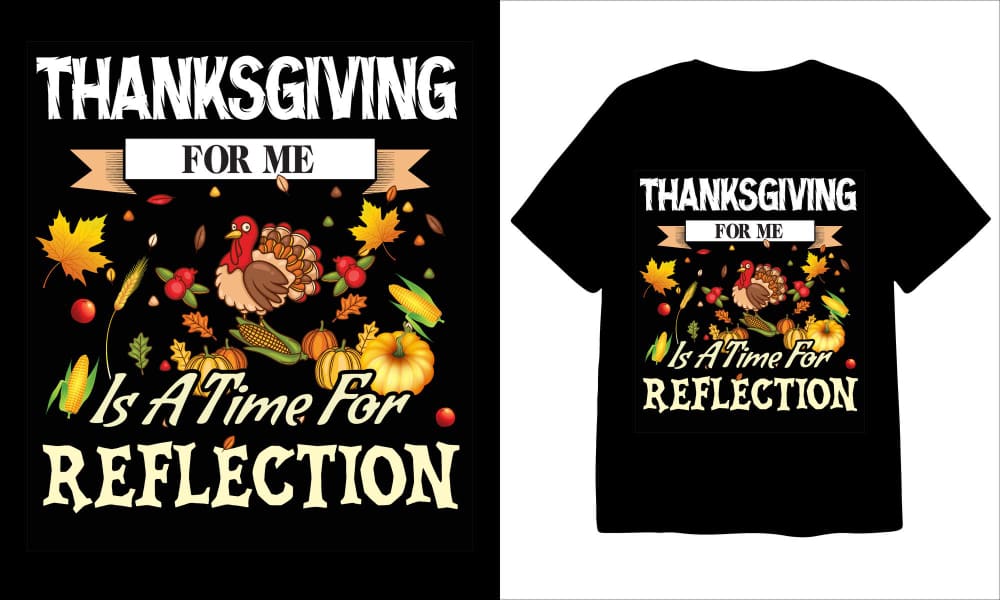
UV DTF printing, or Direct to Film printing, is rapidly revolutionizing the way custom designs are created and applied. Utilizing cutting-edge UV printing technology, this innovative method allows for exceptionally vibrant and durable artwork to be produced across a variety of materials. As designers and creators increasingly embrace customization trends, UV DTF stands out by providing unique solutions that cater to individual preferences. Moreover, the use of eco-friendly inks aligns with contemporary environmental practices, making this technique not just effective but also sustainable. In this blog post, we will delve deeper into the nuances of UV DTF printing, its advantages, and best practices to achieve stunning results.
Known alternatively as ultraviolet direct-to-film printing, this advanced technique combines traditional methods with modern UV curing processes to create striking visuals. The versatility of this printing method allows artists to explore a vast range of materials, bringing their creative visions to life in ways that other technologies cannot achieve. As the market experiences a shift towards personalized products, the demand for customizable artwork is on the rise, further fueling interest in this dynamic printing solution. Emphasizing sustainability, UV DTF printing often makes use of eco-friendly inks, catering to the growing consumer base concerned with environmental impact. As we explore the core features of this printing approach, discover how it can elevate your design projects to new heights.
The Future of Custom Designs with UV DTF Printing
As industries evolve, the demand for custom designs continues to rise, fueled by advancements in printing technologies like UV DTF. This cutting-edge method enables designers to produce intricate and personalized artwork that speaks to the unique identity of brands and individuals. With UV DTF printing, the possibilities are endless—designers can create everything from bespoke fashion pieces to personalized promotional items that reflect the wearer’s or buyer’s personality. The versatility of this technology allows custom designs to be realized across various substrates, fulfilling consumer desires for products that stand out in a crowded market.
Moreover, the appeal of UV DTF printing lies in its ability to produce vibrant colors and exquisite details with exceptional durability. By incorporating UV-curable inks, the prints not only maintain their aesthetic appeal over time but also withstand the rigors of wear and tear. This durability is particularly crucial in fast-paced markets where speed and quality are paramount. As more designers and brands recognize the advantages of UV DTF technology, we can expect an increase in the variety of custom designs available, pushing the boundaries of creativity and innovation.
Harnessing UV DTF for Ecologically Responsible Customization
In today’s market, consumers are increasingly mindful of the environmental impact of their purchases, leading to a significant rise in demand for eco-friendly printing solutions. UV DTF printing stands at the forefront of this green movement by utilizing eco-friendly inks and sustainable practices to deliver stunning visuals without compromising the planet. By opting for UV inks that are free from harmful solvents, designers can achieve beautiful results while ensuring a minimal ecological footprint. This is becoming an essential consideration for those looking to create custom designs that resonate with environmentally conscious consumers.
Additionally, the durability of UV DTF prints translates into less waste over time, as longer-lasting products reduce the need for frequent replacements. This fusion of sustainability and quality makes UV DTF an attractive choice for businesses keen on adopting responsible practices. As trends in customization continue to focus on sustainability, integrating eco-friendly materials and methods within UV DTF processes not only ensures compliance with consumer preferences but also enhances brand loyalty through a commitment to environmental stewardship.
Optimizing Designs for UV DTF Printing
Successful UV DTF printing requires a keen understanding of the design process to achieve optimal results. Designers must consider the characteristics of vector-based graphics, which provide superior clarity and prevent pixelation, especially in intricate artworks. By ensuring all designs adhere to the vector format, artists can take full advantage of the sharp lines and customizable attributes that make their creations stand out. Utilizing high-resolution images further enhances the quality, allowing for brilliant color reproduction and lifelike detail, crucial for bespoke designs that clients desire.
Furthermore, color management is vital for achieving the expected outcomes. Working within the specifications of CMYK color space and understanding the printer's calibration ensures that the final prints retain their intended vibrancy and accuracy. Experimentation with print settings such as ink levels and curing times also plays a critical role in the success of the printing process. By mastering these design optimization techniques, creators can harness the full potential of UV DTF technology to produce highly customized, eye-catching products.
Material Selection for Superior UV DTF Results
The choice of substrate in UV DTF printing can drastically affect the final appearance and durability of custom designs. Suitable materials, such as textiles, plastics, and metals, provide the ideal surfaces for vibrant prints. For textiles, cotton and polyester allow the inks to bond effectively, resulting in comfortable apparel with striking visuals. Meanwhile, materials like PVC and acrylic are preferred for promotional products, offering a sleek finish that enhances the visual appeal and longevity of graphic designs.
Moreover, understanding the interaction between substrate types and UV inks can facilitate better outcomes in terms of adhesion and color fidelity. Selecting the right material is not just about aesthetic compatibility; it also involves considering the end-use of the product to ensure it meets performance expectations. For businesses aiming to stand out, investing time in substrate research pays off by delivering exceptional quality and a diverse range of applications for personalized and custom projects.
Emerging Trends in UV DTF Printing
The landscape of UV DTF printing is continuously evolving, with numerous emerging trends that highlight its versatility and innovative capabilities. A significant trend is the increased focus on customization, with brands and companies recognizing the market's appetite for unique and personalized items. Whether in fashion, home décor, or promotional merchandise, UV DTF enables businesses to fulfill consumer demands for tailor-made products that express individual style and preferences. This demand for personalization is driving greater adoption of UV DTF technology across various sectors.
Simultaneously, there is a growing trend towards sustainability within printing practices. As awareness of environmental issues escalates, many manufacturers are making strides to integrate eco-friendly solutions into their processes. The development of biodegradable inks and sustainable substrates is paving the way for more responsible use of UV DTF technology. As these trends continue to shape the industry, businesses that leverage UV DTF printing while aligning with consumer values regarding customization and sustainability will undoubtedly thrive in a competitive marketplace.
Maximizing the Benefits of UV DTF for Custom Projects
To truly maximize the benefits of UV DTF printing for custom projects, understanding the technology’s capabilities is crucial. This includes recognizing its strengths in producing exceptionally brilliant colors and intricate designs that are both durable and versatile. As the technology evolves, leveraging these features can yield stunning outcomes in product development, helping brands create standout items that can’t be found elsewhere. Additionally, engaging in ongoing training and learning about advancements in UV printing technology allows designers to refine their strategies and enhance their skill sets, resulting in more innovative and successful projects.
Moreover, collaboration with UV DTF specialists can further amplify the potential of this printing method. By working closely with experienced professionals, businesses can gain insights into best practices, troubleshooting techniques, and new trends in materials and inks. This partnership not only elevates the quality of the final products but also aligns brands with industry innovation, ensuring they stay ahead of the curve. As the UV DTF landscape continues to flourish, those who embrace its full potential in their custom designs will be well-positioned to succeed.
Frequently Asked Questions
What is UV DTF printing, and how does it differ from traditional printing methods?
UV DTF printing (Direct to Film) combines UV printing technology with transfer film processes for vibrant, durable designs. Unlike traditional methods that may be restricted to textiles, UV DTF can print on various substrates such as wood, metal, and plastic, making it highly versatile for custom designs.
What are the key benefits of using UV DTF printing for custom designs?
The key benefits of UV DTF printing include exceptional durability due to UV curing, fast drying times, and versatility in printing on multiple materials, including textiles, plastic, and more. This makes it ideal for businesses looking to create stunning custom designs that last.
How can I ensure high-quality results when creating designs for UV DTF printing?
To ensure high-quality results in UV DTF printing, use vector-based graphics, maintain a resolution of at least 300 DPI, and manage color accurately in the CMYK color space. These practices enhance the clarity and color fidelity of your custom artwork.
What substrates work best for UV DTF printing to achieve vibrant results?
UV DTF printing works best on materials such as cotton, polyester for textiles, and PVC or acrylic for signage. These substrates allow for strong ink adhesion and produce vibrant colors, enhancing the final look of your custom designs.
Are there eco-friendly inks available for UV DTF printing?
Yes, many manufacturers now offer eco-friendly inks compatible with UV DTF printing. These sustainable options help reduce environmental impact while maintaining excellent print quality, aligning with the growing customization trends in eco-conscious markets.
What industry trends are shaping the future of UV DTF printing?
The key trends in UV DTF printing include a growing demand for customization in various sectors and a shift towards sustainability. Businesses are increasingly adopting eco-friendly inks and materials, reinforcing the appeal of UV DTF technology for producing tailored, environmentally conscious products.
| Key Points | Details |
|---|---|
| Understanding UV DTF Technology | UV DTF combines traditional Direct to Film printing with UV curing technology, resulting in vibrant and durable prints. |
| Advantages of UV DTF | Versatile print capabilities, enhanced durability through UV curing, and faster drying times. |
| Best Practices for Stunning Designs | Use vector-based graphics, high-resolution images, and appropriate color management for optimal results. |
| Material Selection | Recommended materials include cotton, polyester for textiles, and PVC, acrylic for plastics. |
| Market Trends in UV DTF Printing | Growing demand for customization and sustainability in printing. |
Summary
UV DTF printing represents a transformative leap in the world of custom printing. By employing innovative UV curing technology, this method not only enhances the vibrancy and durability of prints but also offers unmatched versatility across different substrates, including textiles, plastics, and more. As more designers embrace the power of UV DTF, they unlock new possibilities for creativity and personalization, ensuring that their artwork stands out in a competitive market. By following best practices and understanding market trends, creators can capitalize on this technology, producing stunning custom designs that resonate with their audience.