
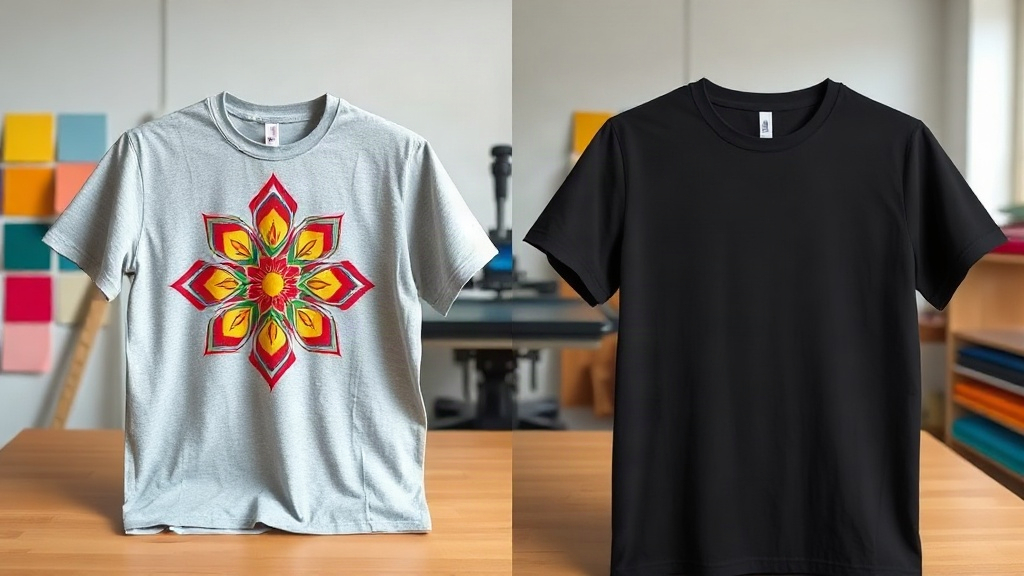
If you've spent any time in the custom apparel world, you know that the success of a DTF transfers project hinges on more than just the print quality. The blank garment you choose plays a starring role in how your design looks, feels, and holds up over time. Two names that frequently come up in conversations among decorators are Smart Blanks and Shaka Wear. Both have loyal followings, but they cater to different needs and preferences. In this article, I'll share my firsthand experience with both brands, breaking down their strengths and weaknesses so you can make an informed decision for your next project.
Why the Blank Matters for DTF Transfers
Before we dive into the specifics, let's talk about why the blank is so crucial. DTF transfers are known for their vibrant colors and fine detail, but they need a smooth, consistent surface to adhere properly. A blank with a tight weave and minimal texture will allow the transfer to sit flush, reducing the risk of cracking or peeling. Additionally, the fabric content affects how the transfer bonds. Cotton and cotton-poly blends are generally the best choices for DTF, while heavily textured or synthetic fabrics can be tricky. Both Smart Blanks and Shaka Wear offer options that work well with DTF, but they have distinct characteristics that might sway you one way or the other.
Smart Blanks: The Underdog with a Punch
Smart Blanks might not have the same name recognition as some heritage brands, but they've been quietly gaining traction among decorators who value consistency and affordability. I first tried them on a recommendation from a fellow printer who swore by their tees for large orders. After running a few hundred through my press, I understood why.
Fabric and Feel
Smart Blanks primarily uses 100% ring-spun cotton in their core tees, with a weight around 4.3 oz. That's on the lighter side, making them a great choice for warm weather or layered looks. The fabric is soft right out of the bag, with a smooth surface that takes DTF transfers beautifully. I noticed minimal shrinkage after washing, which is a big plus when you're selling to customers who expect their garment to fit the same after a few cycles.
Durability and Print Performance
One of the standout features of Smart Blanks is how well they hold up after multiple washes. I printed a test shirt with a full-color DTF transfer and wore it weekly for two months. The print remained vibrant, with no cracking or fading. The fabric itself developed a nice, worn-in softness without losing its shape. That said, because the fabric is lighter, very large or heavy designs might feel a bit stiff initially, but that's true for most lightweight blanks.
Pricing and Availability
Budget-conscious decorators will appreciate that Smart Blanks typically come in at a lower price point than many premium brands. They're available through various wholesale distributors, though you might need to shop around to find the best bulk pricing. The color selection is solid, with a good range of basics and a few trendy shades, but it's not as extensive as what you'd find with larger, more established brands.
Shaka Wear: Streetwear Staple with Heavyweight Cred
Shaka Wear has become a go-to for streetwear brands and anyone who loves that hefty, premium feel. Their tees are known for being substantial, often in the 6 oz range, which gives them a structured drape that many customers associate with high-quality apparel. If you're targeting the streetwear market, Shaka Wear is likely already on your radar.
Fabric and Construction
Most Shaka Wear tees are made from 100% cotton, though they also offer blends. The fabric is dense and tightly knit, providing an excellent canvas for DTF transfers. The smooth surface means your transfers will look crisp and detailed. I've found that the heavier weight can be a bit more forgiving if your transfer application isn't perfect, as the fabric doesn't shift as easily under the heat press.
Print Performance and Longevity
When it comes to DTF transfers, Shaka Wear blanks are a dream to work with. The tight weave prevents the transfer from sinking into the fabric, so you get maximum color payoff and sharp lines. In my tests, prints on Shaka Wear held up exceptionally well, with no signs of cracking after repeated washes. The heavyweight fabric also means less chance of the shirt stretching out of shape, which can distort the print over time.
Pricing and Market Positioning
Shaka Wear sits at a higher price point than Smart Blanks, but that's expected given the heavier weight and premium feel. They're popular among brands that want to convey a sense of luxury or durability. Availability is generally good through major distributors, and the color range is extensive, including many on-trend hues.
Head-to-Head Comparison
To make things clearer, here's a quick side-by-side breakdown of the two brands based on my experience:
- Weight: Smart Blanks are lighter (around 4.3 oz) vs. Shaka Wear's heavier options (often 6 oz+).
- Fabric: Both use quality cotton, but Shaka Wear tends to have a denser, more premium hand feel.
- DTF Compatibility: Both excel, but Shaka Wear's tight weave may edge out for very fine details.
- Price: Smart Blanks are more budget-friendly; Shaka Wear commands a premium.
- Best For: Smart Blanks for cost-effective, lightweight everyday tees; Shaka Wear for streetwear, premium lines, and heavyweight lovers.
Which One Should You Choose?
The answer depends on your target market and the vibe you want to project. If you're printing for a music festival or a casual event where lightweight comfort is key, Smart Blanks could be your best bet. They're also a smart choice for sampling or testing new designs without breaking the bank. On the other hand, if you're building a streetwear brand or catering to customers who equate weight with quality, Shaka Wear is worth the extra cost. The heavyweight fabric not only feels luxurious but also provides a stable base for DTF transfers, ensuring your designs look their best.
Personally, I keep both in my studio. I use Smart Blanks for quick-turnaround projects and budget-conscious clients, and I reserve Shaka Wear for premium orders where the customer wants that substantial, high-end feel. There's no one-size-fits-all answer, but understanding the differences helps you make a choice that aligns with your goals.
Frequently Asked Questions
Can I use DTF transfers on both Smart Blanks and Shaka Wear?
Absolutely. Both brands offer cotton and cotton-blend options that are well-suited for DTF transfers. Just ensure you follow the transfer manufacturer's instructions for temperature, pressure, and time.
Which brand is better for dark colors?
Shaka Wear tends to have a tighter weave, which can provide a slightly smoother surface for printing on dark garments. However, with a quality DTF transfer and proper application, both will yield excellent results.
Do Smart Blanks shrink more than Shaka Wear?
In my experience, Smart Blanks may shrink slightly more due to their lighter weight, but it's minimal. Shaka Wear is known for its low shrinkage, thanks to its denser fabric. Always pre-wash if shrinkage is a concern.
Are Shaka Wear blanks worth the higher price?
If your customers value heavyweight, premium-feeling apparel, yes. The durability and upscale look can justify the cost. For budget-focused projects, Smart Blanks offer great value without sacrificing print quality.
Where can I buy Smart Blanks and Shaka Wear for DTF printing?
Both brands are available through major wholesale distributors and online retailers. For the best prices, consider buying in bulk or setting up an account with a distributor. Always check current availability and shipping times.