
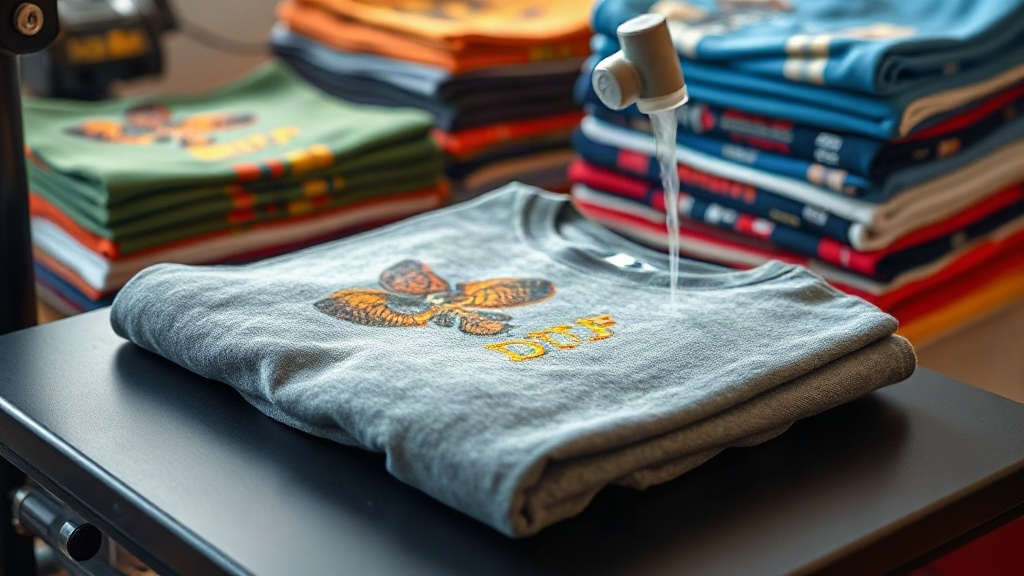
If you're into DTF printing, you know that the quality of your blank apparel can make or break your final product. Among the many brands out there, Shaka Wear has quietly built a reputation for delivering consistent, high-quality blanks that take transfers beautifully. Whether you're a seasoned printer or just starting out, understanding what makes Shaka Wear tick can help you produce prints that look professional and last wash after wash.
In this guide, we'll dive deep into the world of Shaka Wear, exploring why it's a top choice for DTF enthusiasts, which styles work best, and how to get the most out of these garments. Let's get started.
Why Shaka Wear Stands Out for DTF Printing
DTF printing demands blanks that can handle heat, pressure, and the adhesive properties of transfer films. Not all fabrics are created equal, and some brands skimp on quality, leading to prints that crack, fade, or peel. Shaka Wear sets itself apart by focusing on fabric consistency and construction. Their tees, for example, are typically made from 100% cotton or cotton-poly blends with a tight knit that provides a smooth surface for transfers.
One of the key advantages is the tight weave. A tighter weave means less texture, which allows the DTF transfer to adhere uniformly. This reduces the risk of the print looking patchy or having tiny gaps where the fabric shows through. Additionally, Shaka Wear garments often undergo a pre-shrinking process, so you won't have to worry about your finished product shrinking dramatically after the first wash, which can distort the print.
Another factor is the weight of the fabric. Shaka Wear offers a range of weights, from lightweight 4.5 oz tees to heavier 6.5 oz options. Heavier fabrics tend to hold up better under the heat press and provide a more premium feel, which customers appreciate. For DTF printing, a mid-to-heavyweight fabric is often ideal because it can withstand the heat without scorching.
Top Shaka Wear Styles for DTF Projects
Not all Shaka Wear styles are equally suited for DTF printing. Here are some of the best options and what makes them stand out.
Shaka Wear Max Heavyweight Tee
The Max Heavyweight is a beast at 7.5 oz. It's made from 100% cotton and has a boxy fit that's trendy right now. The heavy fabric takes DTF transfers like a champ, and the tight knit ensures crisp details. Because it's so thick, you might need to adjust your press settings slightly (a bit more pressure or time) to ensure the transfer penetrates evenly. But once dialed in, the results are stunning.
Shaka Wear Crewneck Tee
This is a more standard 5.3 oz tee, also 100% cotton. It's a go-to for everyday printing because it's lightweight enough for summer but still durable. The surface is smooth, and the fabric holds the transfer well. It's a great choice for large orders where cost and comfort are priorities.
Shaka Wear Hoodies and Sweatshirts
For colder months, Shaka Wear hoodies and sweatshirts are excellent for DTF printing. They're typically made from cotton-poly fleece, which can be a bit trickier to print on because of the loft (fuzziness). However, with proper pretreatment and pressing techniques, you can achieve great results. The key is to use a high-quality DTF film and ensure your press is set to the right temperature and pressure to embed the ink into the fabric without flattening the fleece too much.
How to Achieve Perfect DTF Prints on Shaka Wear
Even with great blanks, your technique matters. Here are some tips to get flawless prints on Shaka Wear garments.
Prepress to Remove Moisture
Cotton absorbs moisture from the air, and that moisture can turn to steam during pressing, causing the transfer to lift or bubble. Always prepress your garment for 5-10 seconds at your transfer temperature (usually around 300-325°F) before applying the DTF transfer. This step is non-negotiable for consistent results.
Use the Right Pressure
DTF transfers need medium to high pressure to ensure the adhesive fully contacts the fabric. For Shaka Wear tees, aim for a pressure that's firm but not so heavy that it leaves press marks. If you're using a heat press with a pressure gauge, around 40-60 PSI is a good starting point. For hoodies, you might need a bit more pressure to get through the loft.
Peel with Care
Most DTF transfers are cold-peel or warm-peel. Check your film's instructions. For Shaka Wear, a cold peel often works best because it allows the adhesive to cool and set, reducing the risk of stretching the print. Peel slowly and at a low angle to avoid lifting the edges.
Post-Press for Durability
After peeling, give the print a final press for 5-10 seconds with a Teflon sheet or parchment paper. This helps the ink fully bond with the fabric and improves wash durability. Don't skip this step, especially if you're printing on heavier fabrics like the Max Heavyweight.
Common Challenges and How to Overcome Them
Printing on Shaka Wear isn't without its quirks. Here are a few issues you might encounter and how to fix them.
- Print looks dull or faded: This often means not enough pressure or temperature. Increase one or both gradually and test.
- Transfer peels off after washing: Likely due to insufficient post-pressing or washing too soon. Always wait 24-48 hours before washing, and post-press properly.
- Fabric scorching: If you see brown marks, your temperature is too high. Lower it by 10-15°F and monitor closely.
- Ink bleeding: This can happen if the fabric has a lot of texture or if you're using too much pressure. Try a lower pressure and ensure the fabric is smooth.
With a bit of experimentation, you'll find the sweet spot for your press and the specific Shaka Wear style you're using.
Why Customers Love Shaka Wear
Beyond printing, Shaka Wear has a loyal following because of its fit and feel. The brand originated in Los Angeles and has deep roots in streetwear and skate culture. Their garments often have a relaxed, modern fit that appeals to younger demographics. When you pair that with a high-quality DTF print, you're creating a product that not only looks good but also feels authentic.
Many customers also appreciate the durability. Shaka Wear tees hold their shape and color well over time, which reflects positively on your brand. If you're selling custom apparel, using blanks that last builds trust and encourages repeat business.
Frequently Asked Questions About Shaka Wear and DTF Printing
Can I use DTF transfers on Shaka Wear 50/50 blends?
Yes, you can. Shaka Wear offers some 50/50 cotton-poly blends, and DTF works well on them. However, keep in mind that polyester content can affect the vibrancy of colors, especially whites, which may appear slightly muted. Adjust your color profiles accordingly.
What temperature should I use for DTF on Shaka Wear hoodies?
For hoodies, a temperature of 300-315°F is generally safe. Because fleece is thicker, you may need to increase pressure and press time slightly (e.g., 15-20 seconds). Always test on a scrap piece first.
Do I need to pre-treat Shaka Wear garments before DTF printing?
Unlike DTG printing, DTF does not require pre-treatment. However, prepressing to remove moisture is essential. Some printers also use a lint roller to remove any fibers that could interfere with adhesion.
How durable is DTF printing on Shaka Wear after multiple washes?
When applied correctly, DTF prints on Shaka Wear can last 50+ washes without significant fading or cracking. To maximize longevity, wash inside out in cold water and avoid harsh detergents or high heat in the dryer.
Are Shaka Wear blanks true to size?
Most Shaka Wear styles run true to size, but some like the Max Heavyweight have a boxier fit. Check the size chart and consider ordering a sample to ensure the fit meets your expectations.
With these insights, you're well-equipped to make Shaka Wear your go-to for DTF printing. The combination of quality fabric, consistent construction, and a style that resonates with customers makes it a winning choice. So go ahead, press that transfer, and create something amazing.