
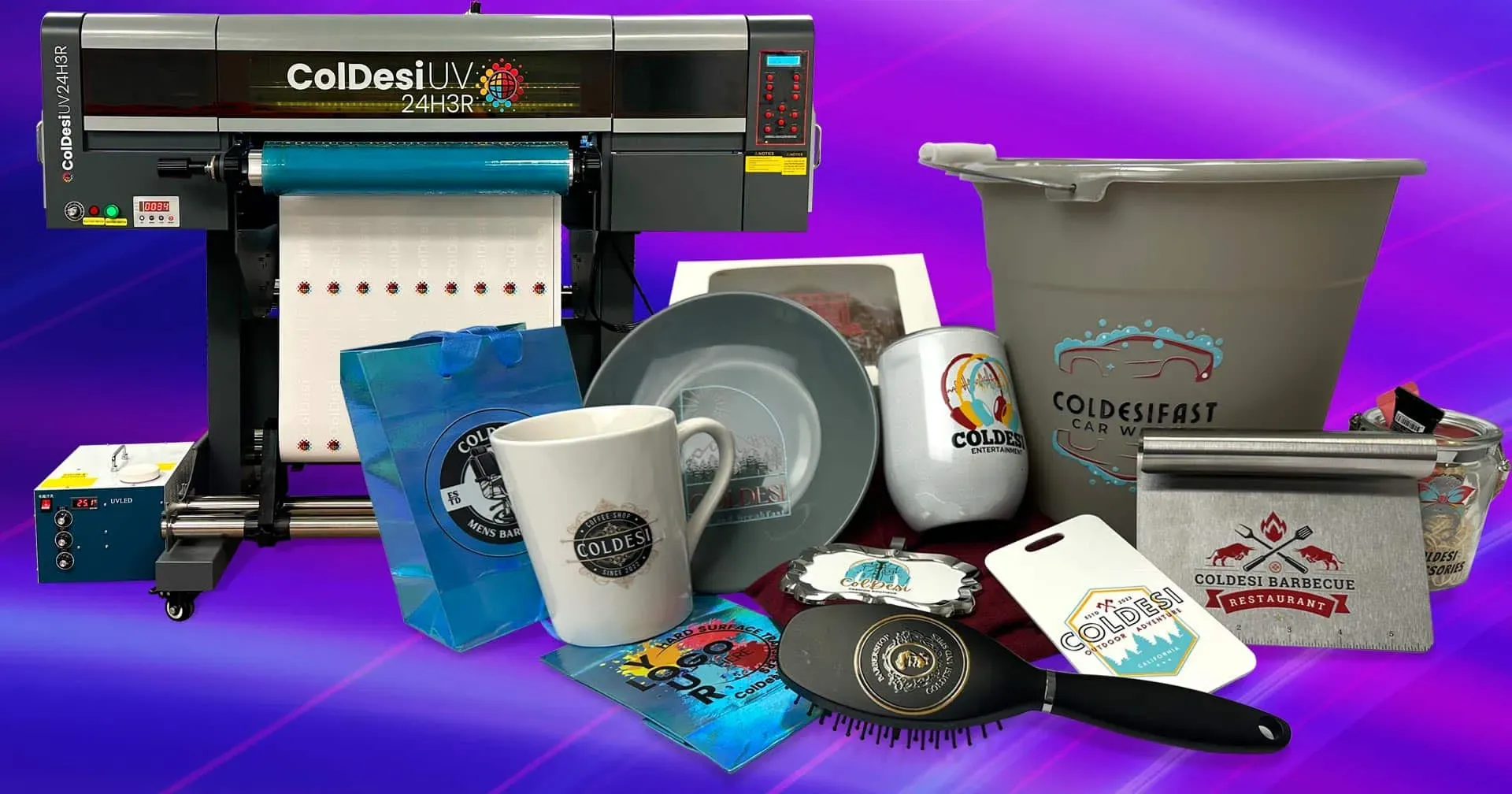
UV DTF printing has emerged as a practical option for garment decorators and small print shops seeking vibrant, durable designs with manageable workflow. If you’re exploring this method, direct-to-film printing sits at the intersection of film-based transfers and rapid curing, making production smoother. The transfer process uses UV-curable inks on a PET film that prints designs and binds to fabrics through heat and pressure. This approach reduces drying time and minimizes handling mistakes, contributing to more consistent results. Compared with traditional film-based transfers, this approach can deliver crisper edges and stronger color on a range of fabrics, provided you match ink, film, and heat settings.
Seen from another angle, this method blends UV-curable inks with a film-backed transfer that moves artwork from PET sheets to fabrics via heat and pressure. You can think of it as a modern, film-to-fabric workflow that leverages quick curing and precise color application to improve throughput. In marketing terms, it overlaps with digital textile printing and on-demand apparel production, prioritizing vivid graphics, washfastness, and versatile substrate options. Key choices include selecting a compatible PET film, an adhesive system, and the right curing setup to ensure durable adhesion without damaging delicate fabrics. When evaluating solutions, weigh upfront equipment costs against potential gains in speed and consistency across short runs.
Understanding UV DTF printing: technology and benefits
UV DTF printing uses ultraviolet-curable inks that print on a PET film designed for direct-to-film transfer to textiles. This approach combines the flexibility of direct-to-film printing with the speed and instant curing of UV inks, enabling faster production cycles and reduced handling risks. By curing the ink at the point of printing, designers can minimize smudging and post-print drying times, which is especially valuable for high-mix, short-run apparel projects.
The technology supports vibrant color reproduction and sharp edge definition across a range of fabrics. When paired with a compatible film, adhesive powder, and heat-press process, UV DTF printing delivers durable graphics that resist washing and abrasion. This section sets the foundation for comparing UV DTF with traditional methods and explains why UV-curable inks are appealing for shops prioritizing quick turnaround and consistent results.
DTF transfer process explained: from artwork to garment
The DTF transfer process starts with artwork preparation, ensuring color accuracy and proper scaling for the garment. The design is printed onto a PET film, typically with a white base for light-on-dark results. In UV DTF workflows, the ink cures instantly under a UV lamp, stabilizing the image on film and reducing handling time before the transfer.
After printing, an adhesive powder is applied to create a bond between the film and fabric. The powder is melted with heat, forming a stable transfer surface, and an optional UV cure step can further lock in the print before transfer. The film is then placed on the garment and subjected to heat and pressure, followed by a peel. This sequence—design, print, powder, cure, transfer, and finish—remains the backbone of both standard DTF and UV DTF processes.
UV curing for textiles: boosting durability and color fidelity
UV curing for textiles is a cornerstone of UV DTF printing’s performance. The UV light source hardens the ink immediately, which can improve color fidelity, edge sharpness, and resistance to smudging during handling. Instant curing also supports faster production workflows, reducing the time between print and transfer and enabling higher throughput for small runs.
In textiles, durable adhesion depends on proper curing and substrate compatibility. UV-curable inks tend to show strong wash-fastness when the film and fabric align with the ink chemistry. This makes UV DTF a compelling option for apparel that undergoes frequent washing, provided you control temperature, dwell time, and the curing exposure to avoid cracking on textured or stretchy fabrics.
DTF vs traditional DTG: a practical workflow and cost comparison
DTF vs traditional DTG represents two distinct approaches to achieving full-color garment graphics. DTF (whether standard or UV) uses a transfer film and adhesive powder, enabling versatile substrate compatibility and easier color management on a variety of fabrics. In contrast, traditional DTG relies on direct printing onto fabric, which can be limited by fabric texture and color on certain blends.
When evaluating UV DTF against traditional DTG, shops often consider throughput, equipment costs, and maintenance. UV DTF can offer faster cure times and sharper detail on select fabrics, while traditional DTG may have lower upfront equipment costs and established workflows for certain uses. For many shops, a hybrid approach—DTF for quick runs and DTG for specific textile applications—can optimize productivity and cost efficiency.
Equipment and materials needed for successful UV DTF implementation
A successful UV DTF setup relies on a compatible UV-curing unit or lamp, a UV-capable DTF printer, and a PET film designed for UV inks. The adhesive powder system, heat press, and correct garment pre-treatment remain integral to achieving consistent transfers. Selecting the right film—one that works with UV inks and the powder adhesive—helps ensure even powder deposition and reliable release.
Beyond hardware, material handling matters: store UV inks away from light exposure per manufacturer guidelines, maintain proper print-head cleanliness, and regularly inspect film quality to prevent powder failure or residue transfer. Ongoing calibration of lamp intensity, exposure times, and transfer settings is essential to maintain repeatable results across batches and substrates.
Practical tips, ROI, and common UV DTF challenges to watch for
From a practical perspective, UV DTF offers the potential for higher throughput and faster order fulfillment, which can improve ROI for shops that handle frequent small runs. While upfront costs for UV-curing equipment and UV inks are higher, speed and efficiency can offset these investments over time when properly managed.
Common challenges include ink-film compatibility, powder dosing, and fabric texture variability. To mitigate issues, conduct test prints on representative fabrics, adhere to manufacturer recommendations for powder application, and fine-tune heat press settings. Regular maintenance, staff training, and documenting standard operating procedures help sustain quality and reduce waste across orders.
Frequently Asked Questions
What is UV DTF printing, and how does it fit into the DTF transfer process?
UV DTF printing uses ultraviolet-curable inks printed on PET film for direct-to-film transfer to textiles. In the DTF transfer process, you design and print on film (often with a white underbase), apply adhesive powder, melt it, and transfer the design with heat and pressure. The UV cure step makes the ink set instantly, reducing handling time and minimizing the risk of smudges.
How does UV curing for textiles affect production speed and durability in UV DTF printing?
UV curing for textiles enables instant curing of the ink, which speeds up production and reduces wait times between steps. Properly cured UV DTF prints offer strong adhesion and color stability through repeated laundering, delivering durable results on a range of fabrics.
UV DTF printing vs traditional DTF and DTG: what should I know?
UV DTF printing uses UV-curable inks that cure instantly, boosting throughput and cutting drying times compared with traditional DTF inks. When compared to DTG, DTF transfers ink from the garment surface and can offer broader fabric compatibility and reliable white underbase on dark fabrics, making this a key consideration in the UV DTF vs traditional DTG discussion.
What equipment and materials are essential for UV DTF printing?
Essential gear includes a UV-curing unit or lamp, UV inks designed for direct-to-film printing, compatible PET film, an adhesive powder system, a heat press, and regular maintenance supplies for the UV source. This setup supports the full UV DTF printing workflow from film printing to transfer.
Which fabrics work best with UV DTF printing, and are there any limitations?
Cotton and cotton blends are reliably compatible with UV DTF transfers, while synthetics may require pretreatment or different film formulations. Fabric texture, fiber content, and garment color influence adhesion and color vibrancy, so testing on target fabrics is important for optimal results.
How can shops optimize their UV DTF workflow and avoid common issues?
Use films and powders that are compatible with your UV inks, ensure your UV lamp is properly calibrated, and follow manufacturer guidelines for curing times. Maintain equipment, monitor print quality for misprints, and fine-tune heat press settings (approximately 320–350°F / 160–177°C for 10–20 seconds as a starting point) based on substrate and ink specifications.
| Topic | Key Points |
|---|---|
| What is UV DTF printing? | - Ultraviolet-curable inks printed on PET film for transfer to textiles via heat and pressure. - Ink cures instantly under UV light, enabling faster production and reducing smudging. - Combines UV curing with the flexible, film-based transfer of direct-to-film printing. |
| The DTF transfer process in a nutshell (UV vs standard) | - Design and prepare artwork (color-accurate, sized for garment). - Print on PET film (white backing often used for light-on-dark; UV DTF cures instantly with UV exposure). - Apply adhesive powder to the printed film. - Melt the powder and cure if needed. - Transfer to fabric with heat and pressure. - Peel and finish (hot or cold peel depending on workflow). |
| Ink chemistry and curing | - UV-curable inks cure instantly under UV light; require a UV curing station. - Traditional DTF inks are solvent- or water-based with longer drying times and separate cure steps. |
| Color durability and edge sharpness | - UV DTF can deliver sharper edge definition and vibrant colors when properly cured. - Generally strong color durability, especially on light/dark fabrics with correct underbase and cure. |
| Film & powder interactions | - Adhesive powder is central to both methods; curing steps (UV or heat) affect how the powder bonds and how ink adheres to fabric. - Film compatibility with UV inks is essential for clean transfers. |
| Material compatibility | - Best results on 100% cotton and cotton blends; synthetics may require pretreatments or different film formulations. - Fabric color and fiber content influence adhesion and image quality. |
| Key advantages | - Faster production due to instant curing. - Improved color fidelity and detail. - Strong durability with proper curing. - White ink on dark fabrics capability. - Versatile substrates with careful film selection. |
| Operational considerations and best practices | - Have a UV-curing unit; calibrate lamp intensity, distance, and exposure times. - Proper ink handling/storage; protect from prolonged light exposure. - Use compatible film and adhesive powder; ensure clean transfer. - Optimize heat press settings (e.g., 320-350°F / 160-177°C, 10-20 seconds). - Provide post-transfer care instructions to customers. |
| Materials and workflow considerations | - Fabric choices: cotton and blends are reliable; synthetics may need pretreatments. - Film choice: DTF films designed for UV inks; some have built-in adhesive, others require powder. - White ink handling: ensure a solid white underbase for brightness on dark fabrics. - Maintenance: clean print heads; ensure no powder residues on transfer films. |
| Practical applications and ROI considerations | - Suited for fashion lines, promotional apparel, and customized merch where color accuracy and durability matter. - Faster production cycles and higher throughput can improve ROI, though initial capital for UV equipment and inks is higher. |
| Common challenges and how to address them | - Ink/film compatibility: verify UV ink compatibility with chosen film. - Powder dosing: avoid under- or over-application; follow manufacturer guidance. - Fabric texture/stretch: test heat/pressure; adjust accordingly. - UV lamp maintenance: schedule checks and replacements to maintain curing performance. |
| DTF transfer process vs UV DTF in practice | - UV DTF offers faster turnarounds and strong color with proper equipment and substrate matching. - Traditional DTF is established and generally lower initial hardware cost but slower curing. - Choose based on order mix, substrate variety, and need for speed vs. capital availability. |
Summary
UV DTF printing represents a practical evolution in direct-to-film technology, combining the speed of instant UV curing with the versatile film-transfer approach. By understanding the DTF transfer process, leveraging UV-curable inks, and selecting compatible films and powders, you can achieve vibrant, durable garments with efficient workflows. Whether you run a small shop or a larger print operation, UV DTF printing opens opportunities for rapid production, on-demand customization, and expanded substrate options. As technology and materials continue to improve, staying informed about ink chemistry, curing technologies, and transfer substrates will help you optimize outcomes and stay competitive in the evolving world of textile printing.