
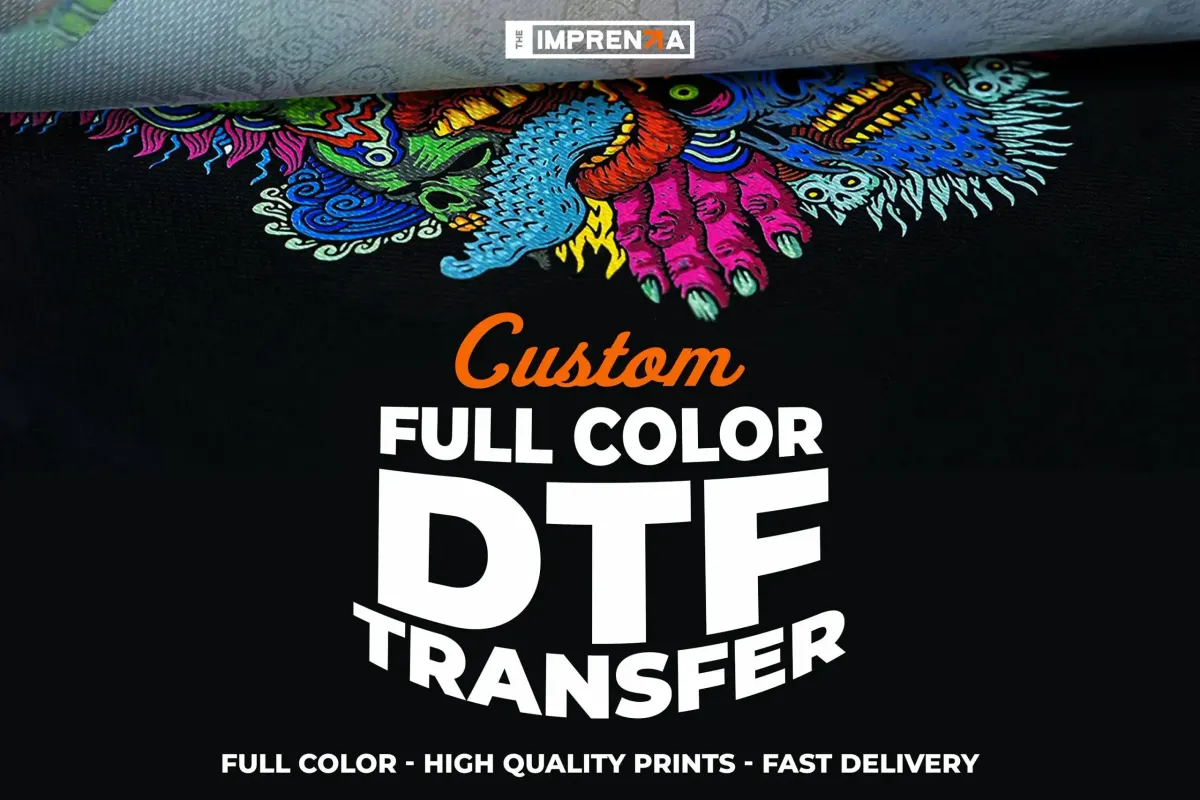
DTF Transfers, or Direct to Film transfers, are revolutionizing the world of custom t-shirt printing with their innovative technology. This process allows for vibrant, high-quality designs to be applied directly onto fabric, creating stunning and personalized apparel with ease. Utilizing DTF printing not only enhances creativity but also ensures durability, making it a popular choice for both hobbyists and small businesses specializing in custom t-shirts. In this guide, we will explore the DTF transfer process step-by-step, highlighting essential materials and techniques that maximize your t-shirt designs. Whether you're a novice or an experienced printer, understanding heat press transfers will elevate your printing skills to new heights.
In the realm of fabric decoration, Direct to Film transfers—often referred to as DTF printing—are making waves among t-shirt enthusiasts and professional printers alike. This method involves applying intricate designs from a special film onto garments using heat pressing, ensuring that the prints not only look vibrant but also last longer than traditional methods. As custom apparel continues to gain popularity, more individuals are turning to this advanced technique to create unique t-shirts that stand out in a crowded market. By embracing the DTF transfer process, you can unleash your creative potential and bring your design visions to life on any fabric. Discover how this innovative approach to t-shirt printing can open doors to endless customization possibilities.
Understanding the Advantages of DTF Printing
DTF printing, or Direct to Film printing, revolutionizes the way custom t-shirts are produced. This technique offers numerous advantages over traditional methods such as screen printing. One of the key benefits is its ability to create vibrant, full-color designs with excellent detail, allowing for intricate artwork to come to life on fabric. Additionally, DTF transfers are known for their durability, which means that the prints retain their color and integrity even after multiple washes, making them ideal for custom apparel.
Another advantage of DTF printing is its versatility. Unlike traditional printing techniques that may have limitations based on fabric type or color, DTF transfers can be used on a wide variety of materials, including cotton, polyester, and blends. This flexibility makes DTF an excellent choice for those looking to produce custom t-shirts that cater to different audiences, whether it be for casual wear, sports teams, or corporate branding. With a growing market for custom printed wearables, understanding DTF's benefits can enhance your crafting capabilities.
Essential Materials for Successful DTF Transfers
To embark on your DTF transfer journey, gathering the right materials is crucial. The foundation of this process begins with a high-quality DTF printer that is capable of utilizing specialized DTF inks. These inks are designed to produce vibrant colors and excellent adhesion properties, ensuring the printed designs look stunning and last longer on the fabric. Pairing the printer with quality transfer films is equally important, as these films are specifically crafted to handle the DTF printing process.
In addition to a printer and film, you'll also need hot-melt adhesive powder. This powder is essential for ensuring that your printed designs adhere properly to the fabric. When sprinkled on wet ink, it creates a strong bond during the heat transfer process. A reliable heat press machine is also necessary; it applies the right combination of heat and pressure needed to transfer the design effectively. With these materials in place, you're well on your way to creating custom t-shirts that shine with creativity and craftsmanship.
Step-by-Step DTF Transfer Process for Beginners
Creating custom t-shirts using DTF transfers can be broken down into a series of manageable steps. First, you'll need to design your image with graphic design software, ensuring to mirror the design before printing as it will be reversed during the transfer. This prep work is vital, as a well-crafted design sets the stage for a successful DTF print. Once the design is ready, load the DTF transfer film into your printer, and monitor the printing process to guarantee optimal quality.
After the printing is completed, the next step involves applying the hot-melt adhesive powder over the wet ink. This step must be done carefully and evenly to ensure adequate coverage. Once the powder is applied, it’s important to cure it using heat—typically with a conveyor dryer—to help the adhesive bond properly to the ink. The final step is to place the printed film onto the fabric using a heat press, applying heat and pressure according to the manufacturer's guidelines to achieve a flawless transfer. Each step contributes significantly to the quality of the final product.
Tips for Perfecting Your DTF Transfer Printing
To enhance your DTF transfer printing skills, consider several tips that can help achieve professional results. Start by experimenting with different types of designs and inks to determine what resonates best with your audience. It’s beneficial to always use high-resolution images for printing, as this will impact the vibrancy and detail of the final print on the t-shirt. Additionally, practicing with various heat press settings can help you find the ideal temperature and pressure for the specific transfer film you are using.
Another crucial tip is to always perform test prints before starting on your final projects. This practice will allow you to identify any adjustments needed in design or technique, ensuring that your final t-shirts are as flawless as possible. Finally, don’t rush through the printing and curing steps; give each phase the attention it deserves to ensure durability and quality in your custom t-shirts. With these tips, you’ll refine your DTF transfer process and delight in the stunning results.
Trends in Custom T-Shirt Designs Using DTF Transfers
As DTF printing technology continues to evolve, so do the trends in custom t-shirt designs. Current fashion movements favor bold colors, unique graphics, and personalized messages that resonate with wearers on a personal level. DTF transfers allow designers to experiment with different styles and motifs, turning everyday t-shirts into wearable art. From dark, gothic styles to vibrant, nature-inspired designs, the flexibility of DTF printing empowers creators to push the boundaries of traditional t-shirt concepts.
Additionally, eco-friendly designs are gaining traction as more consumers seek sustainable options. DTF allows for the use of water-based inks and biodegradable transfer films, catering to the environmental concerns of today’s buyers. Keeping an eye on these trends will not only inspire your creativity but also connect you with your audience, allowing you to produce custom t-shirts that truly reflect current styles and consumer values.
Future Developments in DTF Printing Technology
The world of DTF printing is rapidly advancing, with new technologies and methods continually emerging. Recently, innovations such as UVDTF (Ultra-Violet Direct to Film) have made headlines, offering enhanced printing options and broader application potentials. This technology utilizes UV light to cure inks instantly, resulting in a faster production process without compromising print quality. Staying abreast of these advancements will enable you to remain competitive in the custom t-shirt market.
As the industry evolves, it’s likely we will witness a growing emphasis on automation and integration with digital platforms, making the DTF transfer process even more accessible for home-based and small-scale businesses. This means that more creators will be able to access high-quality printing techniques and materials, lowering the barrier to entry for those passionate about custom apparel. Keeping an eye on industry trends and attending workshops will help you stay informed and inspired within the DTF arena.
Frequently Asked Questions
What are DTF Transfers and how do they work in t-shirt printing?
DTF Transfers, or Direct to Film transfers, are a popular method for t-shirt printing that involves printing your design onto a special film and then transferring it to fabric using heat. This technique produces vibrant, durable prints that can replicate intricate designs, making it an excellent choice for custom t-shirts.
What materials do I need for the DTF transfer process?
To create custom t-shirts with DTF transfers, you'll need a DTF printer, transfer film, hot-melt adhesive powder, a heat press machine, and t-shirts. These materials work together to ensure high-quality, long-lasting prints.
Can I use any printer for DTF printing or do I need a specific one?
You need a DTF printer that is compatible with special DTF inks for effective printing. Standard inkjet or laser printers don’t provide the necessary quality or durability for DTF transfers.
What is the importance of using hot-melt adhesive powder in DTF transfers?
Hot-melt adhesive powder is essential in the DTF transfer process as it ensures the ink adheres properly to the fabric during the heat press application. Without it, the designs may peel or fade over time.
How do I ensure a successful heat press transfer when using DTF transfers?
To achieve a successful heat press transfer with DTF transfers, make sure to follow the recommended temperature and time settings for your heat press, and allow the transfer to cool slightly before peeling the film. This ensures that the design adheres properly and maintains its integrity.
What are the recent advancements in DTF printing techniques?
Recent advancements include the introduction of UVDTF (Ultra-Violet Direct to Film) technology, which expands the applications of traditional DTF transfers by allowing unique printing possibilities. These innovations provide even more options for creating custom t-shirts.
| Key Point | Details |
|---|---|
| Introduction to DTF Transfers | A method for custom t-shirt design that combines creativity with technology. |
| What are DTF Transfers? | DTF transfers allow for vibrant, intricate, and durable designs on fabrics, especially t-shirts. |
| Materials Needed | DTF printer, transfer film, hot-melt adhesive powder, heat press machine, t-shirts. |
| Step-by-Step Guide | Includes design creation, printing, applying adhesive powder, curing adhesive, transferring to fabric, and final touches. |
| Recent Developments | Introduction of UVDTF (Ultra-Violet Direct to Film) expands printing possibilities. |
Summary
**DTF Transfers** offers an exciting method for creating custom t-shirts that stand out with their vibrant and durable designs. This printing process, which integrates innovative materials and techniques, enables both beginners and seasoned crafters to produce high-quality apparel. By understanding the necessary materials, the step-by-step application method, and staying abreast of recent advancements like UVDTF, anyone can successfully embark on their t-shirt designing journey. Whether for personal use or commercial purposes, DTF transfers are not only effective but also a brilliant way to express individual creativity in fabric printing.