
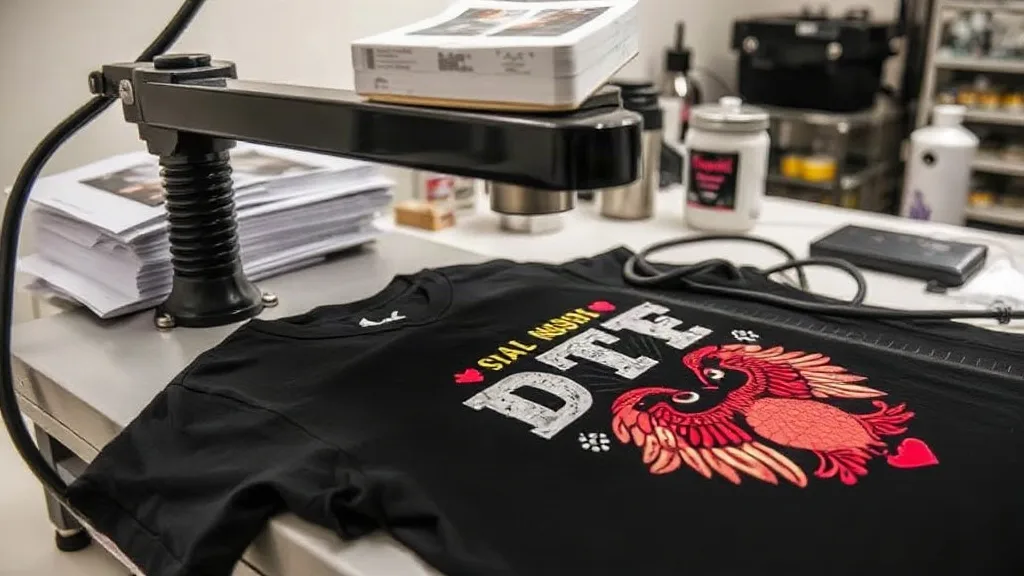
If you've been exploring custom apparel printing, you've likely encountered dtf transfers. This innovative technology is transforming the way designs are applied to fabrics, offering vibrant colors, fine details, and durability that rival traditional methods. Whether you're a small business owner, a hobbyist, or someone curious about the latest printing trends, understanding DTF transfers can open up a world of creative possibilities. In this guide, we'll walk you through the DTF process, its advantages, and practical tips to achieve professional results.
What Are DTF Transfers?
DTF stands for Direct to Film. It's a printing method where your design is printed onto a special film, coated with adhesive powder, and then heat-pressed onto fabric. Unlike DTG (Direct to Garment) printing, which prints directly onto the fabric, DTF transfers allow you to print on a wide range of materials, including cotton, polyester, blends, and even some non-textile surfaces. The process involves creating a digital print on a PET film, applying a thermoplastic polyurethane (TPU) powder while the ink is still wet, and then curing the powder to create a durable, stretchable transfer.
Why Choose DTF Transfers?
There are several reasons why dtf transfers have gained popularity among printers and designers. Here are some key benefits:
- Versatility: DTF transfers work on almost any fabric, including dark and light colors, without the need for pre-treatment.
- Durability: The prints are highly resistant to cracking, fading, and washing, making them ideal for garments that see heavy use.
- Detail and Color: DTF produces sharp, high-resolution images with vibrant colors, even on dark backgrounds.
- Cost-Effective for Small Runs: Unlike screen printing, DTF doesn't require expensive setup for small batches, making it perfect for custom orders.
The DTF Transfer Process Step by Step
To achieve flawless results, it's important to follow each step carefully. Here's a breakdown of the DTF transfer process:
1. Design Preparation
Start with a high-quality digital image. Ensure it's in a format compatible with your printer, such as PNG or TIFF, with a transparent background if needed. Remember that DTF prints white ink as a base, so your design should have a white underbase layer for accurate color reproduction. Most DTF printers handle this automatically, but it's good to check your software settings.
2. Printing onto Film
Load the DTF film into your printer, ensuring the coated side faces the print head. The printer lays down CMYK inks followed by white ink. The white ink is crucial because it acts as an opaque base when transferred to dark fabrics. After printing, the film is dusted with TPU adhesive powder while the ink is still wet.
3. Powder Application and Curing
The powder should be applied evenly, then excess powder is shaken off. The film is then cured using a heat press or a specialized curing oven. Curing melts the powder into the ink, creating a flexible, bondable layer. Follow the powder manufacturer's recommended temperature and time, typically around 160°C (320°F) for 2-3 minutes.
4. Heat Pressing
Once cured, the transfer is ready to be applied. Preheat your heat press to the recommended temperature (usually 150-160°C or 300-320°F). Place the transfer on the garment with the design facing up, cover with a protective sheet, and press for 10-15 seconds with medium pressure. Peel the film while it's still warm for a smooth finish.
Common Challenges and How to Overcome Them
Even with a straightforward process, beginners might face some issues. Here are solutions to common problems:
- Transfer not adhering: Ensure sufficient pressure and correct temperature. Also, check that the fabric is free of wrinkles and moisture.
- Color fading after washing: Make sure the transfer is fully cured and use a wash inside-out with cold water.
- Powder not melting properly: Verify the curing temperature and time; undercuring can lead to poor adhesion.
- Film peeling off: Allow the transfer to cool completely before peeling, or try cold peel if recommended.
Finding DTF Transfers Near You
If you're looking to try DTF transfers but don't want to invest in equipment, you can order pre-printed transfers online. When searching for dtf transfers near me, consider factors like turnaround time, minimum order quantities, and print quality. Many suppliers offer sample packs so you can test before committing to a larger order. For those in the US, dtfquickly.com provides fast shipping and high-quality transfers, making it a convenient option.
DTF vs. Other Printing Methods
How does DTF compare to other popular techniques? Here's a quick comparison:
- DTF vs. DTG: DTF works on more fabric types and doesn't require pre-treatment, while DTG is limited to cotton and needs pre-treatment for dark shirts.
- DTF vs. Screen Printing: DTF is more cost-effective for small runs and offers unlimited colors, while screen printing is better for large orders of simple designs.
- DTF vs. Vinyl: DTF allows for complex, multi-color designs without weeding, whereas vinyl requires manual cutting and weeding.
Tips for Perfect DTF Transfers
To ensure your DTF transfers look professional and last long, keep these tips in mind:
- Always test your heat press temperature and pressure with a sample fabric.
- Store unused transfers in a cool, dry place away from direct sunlight.
- Use a Teflon sheet or parchment paper to protect your heat press and garment.
- Wash garments inside out in cold water and tumble dry low to extend the life of the transfer.
- For stretchy fabrics, use a stretchable transfer powder and press with light pressure to maintain elasticity.
Frequently Asked Questions
What fabrics can I use with DTF transfers?
DTF transfers work on a wide range of fabrics, including cotton, polyester, blends, nylon, and even leather. They are particularly effective on dark and light colors alike, as the white ink base ensures vibrant colors.
How long do DTF transfers last?
With proper application and care, DTF transfers can last as long as the garment itself. They are resistant to cracking, peeling, and fading, even after multiple washes. Following the washing instructions will help maintain their quality.
Can I apply DTF transfers with a home iron?
While it's possible to use a home iron, we don't recommend it for professional results. A heat press provides consistent temperature and pressure, which are crucial for proper adhesion. If you must use an iron, use the highest setting without steam and press firmly for at least 30 seconds.
Do I need special equipment to start with DTF printing?
To create your own DTF transfers, you'll need a DTF printer, DTF film, TPU powder, and a heat press. However, if you're just starting, you can order pre-printed transfers from suppliers and apply them with a heat press.
How should I store DTF transfers?
Store DTF transfers in a cool, dry place, away from direct sunlight and moisture. Keep them flat to prevent creasing. Properly stored transfers can last for several months.