
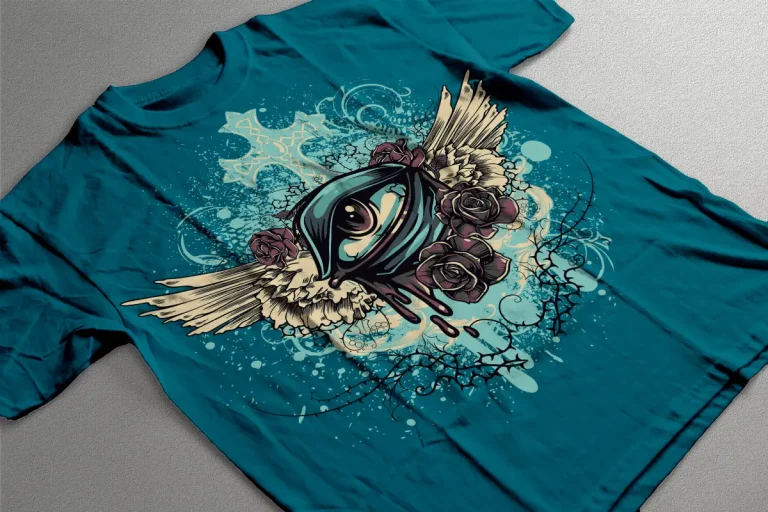
The garment decoration industry is witnessing a massive shift in how custom apparel is designed, produced, and distributed. For a long time, business owners and independent designers had to choose between the high setup costs of traditional screen printing and the labor-intensive peeling process of vinyl cutting. Today, modern technology has introduced a seamless bridge that eliminates these trade-offs entirely. Choosing premium dtf transfers allows creators to execute complex, high-resolution graphics on an incredibly diverse range of fabrics with zero minimum order restrictions. This digital method ensures that intricate gradients, sharp edges, and photographic details are perfectly preserved from the computer screen onto the physical garment.
The Evolution of Modern Fabric Printing Technology
Understanding the rise of this new application method requires a look at the historical bottlenecks of custom apparel. Traditional screen printing yields excellent results but requires significant physical space, messy ink mixing, and chemical emulsion setups. This makes small orders or complex multi-color runs financially impractical for small businesses and startup fashion labels. On the other hand, direct-to-garment processes often struggle with deep color vibrancy on dark synthetic blends, demanding tedious pre-treatment steps that slow down daily fulfillment schedules.
The introduction of DTF systems has rewritten the rules of production. By printing a reverse digital image directly onto a translucent polyethylene terephthalate carrier film, the technology decouples the actual printing process from the fabric itself. A heavy-duty automatic powder shaker applies a specialized hot-melt polyurethane adhesive to the wet ink layer, which is then cured through a high-temperature heating tunnel. The result is a roll of flexible, durable, and shelf-stable heat graphics that can be pressed onto garments instantly or stored securely for months before final application.
Why Direct-to-Film Inks Outperform Traditional Methods
The foundational secret behind the success of professional-grade dtf transfers lies in the chemical formulation of the pigments and white base layers. Unlike standard desktop inkjet systems, commercial digital film systems utilize specialized textile inks that combine flexibility, wash stability, and deep opacity. The system deposits CMYK color pigments first, followed immediately by a solid, thick layer of white ink that acts as an opaque background barrier.
- Vibrant Output on Dark Fabrics: The dense white ink layer ensures that dark backgrounds do not bleed through your graphics, keeping pastel yellow, bright sky blue, and clean whites perfectly crisp on jet-black cotton.
- Unmatched Elasticity: The cured polyurethane powder adhesive stretches and retracts naturally alongside knitted elastane, cotton, and polyester fibers, preventing the dry cracking associated with older vinyl transfers.
- Industrial-Grade Wash Resistance: High-quality prints withstand dozens of intensive commercial laundry cycles without noticeable fading, peeling, or loss of edge definition.
By removing the friction from standard shop workflows, businesses can focus heavily on expanding their design catalog and serving a broader customer base. Integrating these premium prints into your workflow means you never have to turn away a customer due to design complexity or small order sizes. Harwin DTF provides this exact level of industrial reliability, ensuring that local creators have access to commercial-grade prints without sacrificing their turnaround times.
Simplifying Inventory Management for Growing Apparel Brands
One of the most significant advantages of shifting to a film-based decoration model is the drastic reduction in physical inventory costs. In traditional custom merchandising models, print shops must forecast precisely which t-shirt sizes, styles, and colors will sell in advance. If a brand prints fifty extra-large hoodies that do not sell, that capital remains trapped in dead inventory sitting on warehouse shelves.
Utilizing high-end DTF sheets completely reverses this risky business dynamic. Instead of pre-printing hundreds of finished garments, print shops can print and store flat sheets of heat-activated transfers containing multiple design variations. When an end customer places an order for a specific shirt size or a unique fabric blend, the production team simply pulls the required blank garment from a minimal inventory stack and presses the pre-printed film in less than fifteen seconds. This just-in-time manufacturing approach protects cash flow, reduces physical waste, and allows brands to offer an expansive catalog of designs risk-free.
Sourcing Your Prints Locally for Maximum Operational Agility
When customer demands spike during peak seasonal events, trade shows, or sudden viral trends, relying on long-distance shipping networks becomes a massive business liability. Waiting several days for a critical order of prints to cross the country can stall your heat presses, upset your client base, and damage your brand reputation. For this reason, savvy apparel decorators frequently search for reliable dtf transfers near me to establish a agile, localized supply chain that guarantees quick pickups and immediate quality verification.
Establishing a professional relationship with a regional printing facility gives your shop an immediate competitive edge. If a graphic file has an embedded transparency error or an incorrect color profile, a local production partner can identify the issue before running a massive commercial print batch. This level of close proximity reduces material errors, cuts out transit stress, and allows you to offer genuine same-day or next-day turnaround times to high-paying local corporate clients. Harwin DTF serves as this dependable regional pillar, offering top-tier digital prints to keep your local production lines moving smoothly.
The Impact of Premium Quality Standards in Regional Hubs
Major commercial centers across Texas require durable, high-impact decoration methods that can handle heavy daily usage. When searching for the best dtf transfer at Houston, print professionals prioritize precise color matching, structural consistency, and soft-hand feel over cut-rate pricing. True commercial quality means your prints maintain a smooth texture that integrates with the fabric weave rather than feeling like a thick, rigid sheet of plastic glued to the chest.
Achieving this elite level of finish requires specialized industrial climate controls. Professional print facilities maintain strict humidity and temperature balances to prevent static electricity from scattering powder adhesive onto non-printed areas of the film. Furthermore, proper curing ensures the hot-melt powder melts into a perfectly uniform orange-peel texture, which forms an indestructible bond with the textile fibers during final application. By holding production to these meticulous standards, regional creators can deliver retail-quality custom apparel that easily competes with national retail brands.
Logistical Advantages of a Dedicated Local Print Partner
Partnering with a specialized Houston dtf transfer vendor provides local shops with profound logistical flexibility. Instead of paying premium overnight shipping rates for urgent client projects, business owners can easily arrange a quick local courier collection or handle in-person pickups to verify physical print quality before pressing. This proximity is particularly vital for fulfilling high-volume corporate uniform contracts, school athletics orders, and time-sensitive promotional merchandise requests.
Furthermore, sourcing from an expert facility like Harwin DTF protects your materials from environmental humidity damage during long transit periods. Because raw transfer films and polyurethane powders are highly sensitive to moisture absorption, avoiding long cross-country transit in unconditioned freight trucks ensures that your films arrive in pristine, easy-to-press condition every single time.
A Master Class in Commercial Heat Press Application
Even the absolute highest grade of digital film print will fail to reach its maximum durability if the final transfer process is executed poorly. Achieving an everlasting, retail-ready finish requires strict adherence to professional heat, time, and pressure parameters. Follow this comprehensive workflow to ensure consistent application success:
- Fabric Conditioning: Place your blank garment onto the lower platen of your heat press and lock it down for 4 to 6 seconds. This vital step expels hidden atmospheric moisture trapped within the fabric fibers and flattens out structural seams, preventing steam bubbles from disrupting the adhesive bond.
- Precise Sheet Alignment: Position your printed film onto the conditioned fabric with the colored ink side facing down. The transparent quality of the carrier film allows you to use laser alignment tools or physical rulers to verify absolute center placement effortlessly.
- Primary Heat Pressing: Set your commercial heat press to 300°F to 315°F for standard cotton fabrics, or drop the temperature to 275°F to 285°F for delicate polyesters to avoid fabric scorching. Apply consistent medium-to-high pressure (approx. 50 to 60 PSI) for a duration of 12 to 15 seconds.
- Controlled Film Separation: Carefully remove the garment from the press and lay it flat on a cooling table. If utilizing a cold-peel film variation, allow the substrate to cool completely to room temperature before peeling the film back in a low, smooth, continuous angle. For hot-peel sheets, remove the film immediately within the designated window.
- The Ultimate Soft-Hand Seal: Place a piece of high-grade silicone finishing paper or matte parchment paper directly over the exposed print graphic and clamp the heat press down for a final 5 to 7 seconds. This secondary press beds the cured ink deep into the fabric fibers, removing any residual plastic shine and leaving a beautiful, matte, retail-quality texture.
Frequently Asked Questions
What types of materials can you customize using digital direct-to-film transfers?
One of the greatest attributes of this technology is its universal fabric compatibility. Unlike dye-sublimation which requires 100% white polyester, these advanced heat graphics can be applied with absolute success to 100% cotton, combed cotton blends, pure polyester, heavy canvas, nylon jackets, and even specialized leather or cardboard packaging materials.
Why is my digital print peeling off the shirt after the first wash?
Premature peeling is almost always caused by insufficient pressure, incorrect temperature settings, or residual moisture during the initial press. Household irons or lightweight craft presses often fail to deliver the heavy, uniform downward force necessary to push the liquefied polyurethane adhesive deep into the textile weave, leading to a weak superficial bond.
What is a commercial digital gang sheet and how does it save money?
A gang sheet is a production layout strategy where you combine multiple distinct design graphics, brand neck labels, and logo sizes side-by-side onto a single continuous roll of transfer film. By packing your graphics tightly together, you maximize every inch of printable film space, eliminate material waste, and secure wholesale bulk pricing models.
How should I properly wash custom clothing decorated with film prints?
To maximize the long-term life of your custom apparel, instruct your customers to turn the garments inside out prior to washing. Machine wash the clothes using cold or lukewarm water on a gentle cycle with mild detergents. Avoid using harsh chlorine bleaches or fabric softeners, and line dry the clothing or utilize low-heat tumble settings.
Scaling Your Custom Production with Certainty
Building a highly profitable custom apparel brand requires a steady foundation of reliable production partners, high-quality materials, and fast turnaround capabilities. By introducing commercial-grade direct-to-film transfers into your shop’s daily routine, you unlock the freedom to accept highly complex artistic designs, eliminate messy setup processes, and scale your business without the burden of excessive overhead costs. Whether you are creating small batches of custom streetwear or thousands of unified corporate polos, consistency is the key to maintaining a dedicated customer base. Partner with Harwin DTF today to optimize your workflow, secure flawless print durability, and confidently accelerate your business growth.