
When you're in the middle of a custom apparel project, few things are as frustrating as a print that fades, cracks, or peels after a few washes. You want results that look professional and last, but you also don't want to deal with complicated equipment or long production times. That's where DTF comes in. Direct-to-film printing has changed the game for small shops and hobbyists alike, offering a way to produce vibrant, durable transfers without the steep learning curve of screen printing. If you've been searching for DTF transfers that are both high-quality and conveniently located, you're likely looking for a local provider that can deliver speed without sacrificing the finish. The key is knowing what to look for and how to evaluate your options so you end up with prints that stand out and hold up.
Many business owners and crafters start their search with a simple query: "DTF transfers near me." It's a practical approach because local suppliers often offer faster turnaround times and the ability to see a sample before committing to a bulk order. But not every provider is equal. Some may use lower-quality films or inks that result in dull colors or poor adhesion. Others might have slow production schedules that disrupt your timeline. To get the best value, you need to understand what makes a transfer great, how to compare different services, and how to test their output effectively. This guide will walk you through everything you need to know to find a reliable local source for your custom printing needs.
Why DTF Transfers Have Become So Popular
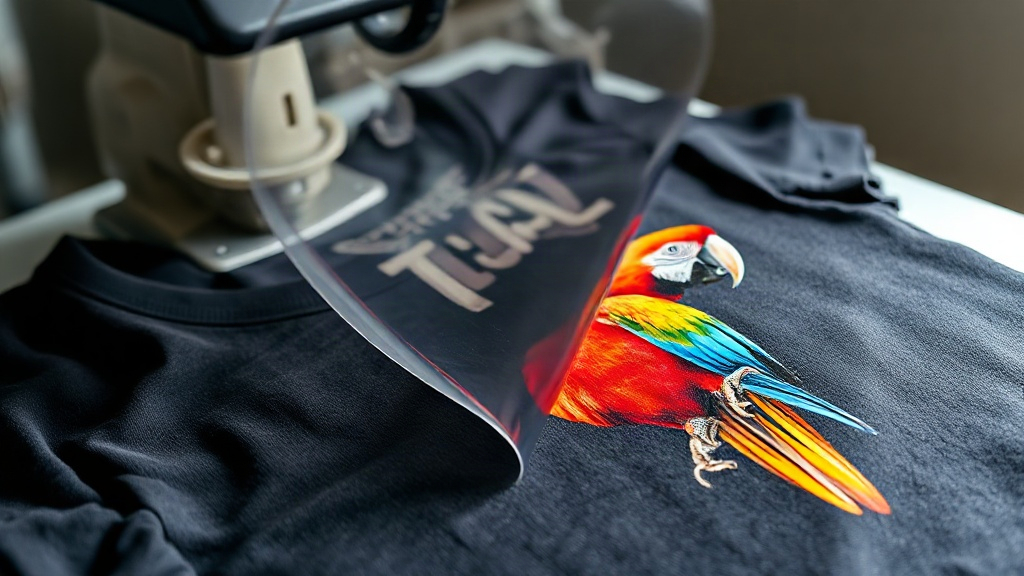
Direct-to-film printing has gained traction because it offers a unique combination of flexibility and ease. Unlike traditional screen printing, which requires separate screens for each color, DTF allows you to print full-color designs in a single pass. The process involves printing your artwork onto a special PET film, applying adhesive powder, and then heat-pressing the film onto your garment. The result is a transfer that can be applied to cotton, polyester, blends, and even some hard goods like tote bags or caps.
One of the biggest advantages is that you don't need to pre-treat your shirts. With sublimation, you're limited to polyester and white backgrounds. With vinyl, you often have to weed intricate designs, which is time-consuming. DTF eliminates those hassles. You can produce a detailed design with gradients, fine lines, and photographic elements, and it will look crisp and vibrant. Plus, the transfers are stored on rolls, so you can cut them as needed and press them whenever you're ready. This makes DTF an ideal choice for on-demand printing, small batches, and even prototypes.
For many small business owners, the appeal is the low startup cost. While a full DTF printer setup can be pricey, you can also outsource your transfers to a local service. This lets you test the waters without investing in expensive equipment. It's also a great way to handle overflow during busy seasons or to offer products that you normally don't stock. The key is finding a partner who produces consistent, high-quality transfers that meet your standards.
What to Look for in a DTF Transfer Provider
When you start evaluating local providers, there are several factors that separate the best from the rest. Pay attention to these details, and you'll be more likely to get a product that meets your expectations.
Print Quality and Resolution
The print quality is the most obvious factor. A high-resolution print will have sharp details, smooth gradients, and vivid colors. If you're working with a logo that includes small text or fine lines, ask to see a sample with similar characteristics. Some providers use CMYK plus white ink, which is essential for printing on dark garments. Make sure they have that capability. Also, ask about the film they use. Premium films tend to have better ink absorption and stretchability, which affects the final feel and durability.
Adhesive Powder and Coating
The adhesive powder is what bonds the transfer to your fabric. A good provider will apply a uniform coating of powder that is suited to the type of garment you're printing on. If the powder is too thin or uneven, the transfer may not stick properly. If it's too thick, it can make the print feel stiff and crack easily. Ask the provider about their powder type and how they ensure even coverage. Some even offer different powder formulations for stretchy fabrics or performance wear.
Color Accuracy and Consistency
If you have brand colors, you need them to be consistent across every order. A reliable provider will use color management tools to match Pantone or HEX codes. They should also be able to provide a physical sample for you to approve before a large run. Consistency also means that the same design printed on different days or from different batches will look the same. Ask if they have quality control checks in place.
Turnaround Time
Time is money, especially if you're running a business with customer deadlines. Inquire about their standard production time and whether they offer rush services. A local provider might be able to get your transfers to you within a couple of days, while a distant online service could take over a week. However, don't sacrifice quality for speed. Ask about their process if they have a large order or if something goes wrong during production.
Customer Support and Communication
Good communication is vital. You want a provider who is responsive to your questions, provides clear quotes, and gives you updates on your order. If you have a technical issue with a transfer, they should be willing to troubleshoot with you. Read online reviews or ask for references to see how they handle problems. A provider who stands behind their product is worth their weight in gold.
How to Find DTF Transfers Near Me
Now that you know what to look for, how do you actually find these providers? Start with a simple online search for "DTF transfers near me." This will likely give you a list of local print shops, specialty transfer companies, and even home-based businesses. But don't just pick the first one that appears. Take the time to research each option.
Check their websites for information about their equipment and processes. Look for a portfolio or gallery of their work. If they don't have one, ask for samples. Social media platforms like Instagram and Facebook are also great places to see real-life results. Many print shops post photos of their latest orders, which can give you an idea of their quality. Additionally, online directories like Google Maps or Yelp can provide reviews from other customers. Pay attention to comments about print quality, durability, and customer service.
Another effective way is to network with other local business owners or crafters. Attend a local trade show or join an online community for custom apparel. Often, you'll find recommendations for trusted suppliers. Don't hesitate to ask others about their experiences with specific companies. Word-of-mouth is powerful because it comes from people who have actually used the service.
Once you've narrowed down your list, contact each provider and ask for a test order. A legitimate business will be happy to send you a small sample or a test design. This is crucial. You need to see and feel the transfer in person to assess its quality. When you receive the sample, test it on the exact type of garment you plan to use. Press it according to the instructions, wash it a few times, and evaluate the adhesion, flexibility, and color retention. This hands-on approach will save you from potential disasters later.
Common Mistakes to Avoid When Choosing a Provider
Even with careful research, there are common pitfalls that can lead to disappointing results. Being aware of these can help you steer clear of them.
Ignoring the Fine Print on Pricing
Some providers quote a low price per transfer but add extra fees for setup, color matching, or shipping. Always ask for a detailed quote that includes all costs. Also, find out if there is a minimum order quantity. If you only need a few transfers, some companies might not be willing to work with you. Others may charge a higher price per piece for small orders. Make sure you understand the total cost before committing.
Not Testing on Your Specific Fabric
Different fabrics react differently to heat and adhesive. A transfer that works perfectly on a 100% cotton t-shirt might not adhere as well to a polyester blend or a performance shirt. Always test on the actual fabric you plan to use. If you're selling shirts, order samples of the blanks you're considering and test the transfers on those. This will help you avoid surprises when you're fulfilling customer orders.
Overlooking the Importance of a Good White Base
For dark garments, the white ink layer is critical. It serves as an underbase to make the colors pop. If the white layer is too thin, the colors may look washed out. If it's too thick, the print can feel heavy and crack. A skilled provider will calibrate the white ink coverage based on the garment color and the design. Ask them how they handle this, and examine the white underbase on a sample.
Comparing DTF to Other Printing Methods
To truly appreciate the value of DTF, it helps to compare it with other popular methods like screen printing and vinyl cutting.
DTF vs. Screen Printing
Screen printing is excellent for large quantities of simple designs with few colors. It produces vibrant, long-lasting prints, but the setup cost is high due to screen creation. For small batches or designs with many colors, DTF is more cost-effective. It also offers better detail and gradient reproduction. However, screen printing is still the go-to for extremely large orders because the per-piece cost drops significantly. If you're printing hundreds of identical shirts, screen printing might be more economical. But for most small businesses, DTF offers more flexibility.
DTF vs. Vinyl Cutting
Vinyl cutting is great for simple text or logos with few layers, but it's labor-intensive for intricate designs. Weeding can be a nightmare with tiny pieces. DTF, on the other hand, handles intricate designs with ease. The transfer is printed as a whole image, so there's no weeding required. Vinyl also tends to feel like a sticker on the shirt, whereas DTF prints have a softer hand feel because they bond more deeply with the fabric fibers. For multi-colored or highly detailed designs, DTF is clearly superior.
DTF vs. Sublimation
Sublimation prints permanently into the fabric, offering a soft, breathable finish that doesn't crack or peel. However, it only works on polyester or polymer-coated substrates, and the garment must be white or light-colored. DTF works on a wider range of fabrics and colors. If you need to print on dark cotton shirts, DTF is the way to go. Sublimation is ideal for sportswear and all-over prints, but DTF is more versatile for everyday apparel.
How to Get the Most Out of Your DTF Transfers
Once you've found a reliable provider, you want to make sure you're using the transfers correctly to get the best results. Here are some tips for achieving a professional finish.
Proper Pressing Techniques
Heat press temperature and time are critical. Most DTF transfers require a temperature between 300°F and 320°F for 10-15 seconds at medium to firm pressure. However, these settings can vary depending on the film and adhesive. Always follow the instructions provided by your supplier. Before pressing the actual garment, do a test press on a scrap piece of fabric to ensure the settings are correct. Also, use a Teflon sheet or parchment paper to protect the transfer during pressing.
Preparing Your Garment
Make sure your garment is clean and free of wrinkles. Pre-press the garment for a few seconds to remove any moisture and flatten the surface. This ensures better adhesion. If you're printing on a dark garment, you might need to do a quick pre-press to remove lint and reduce the chance of particles affecting the print.
Post-Press Care
After pressing, peel the film while it's still warm or cold, depending on the type of transfer. Some films require hot peel, others cold peel. Check with your supplier. Let the garment cool completely before wearing or washing. Turn the garment inside out when washing to protect the print. Use mild detergent and avoid bleach. Tumble dry on low or hang dry to extend the life of the print.
DIY DTF: Is It Worth the Investment?
If you find yourself using DTF transfers frequently, you might consider investing in your own DTF printer. This gives you complete control over your production and can save money in the long run. However, it's not a small commitment. A decent DTF printer setup can cost anywhere from $3,000 to $10,000 or more, depending on the brand and features. You'll also need a heat press, which can add another $500 to $2,000. Plus, you'll need to learn the nuances of film, powder, and curing.
For many small businesses, the initial investment is justified if they plan to make DTF their primary printing method. It allows for faster turnaround, unlimited design iterations, and the ability to offer unique products. But if you're just starting out or your volume is low, outsourcing to a local provider is a smarter choice. You can test the market without a huge upfront cost, and as your orders grow, you can revisit the idea of bringing production in-house.
Another option is to use a hybrid approach. Some businesses purchase their own printer but still outsource during peak seasons or for specialty jobs. This gives them flexibility and ensures they can meet customer demand. Whatever you decide, make sure you've done a thorough cost-benefit analysis that includes time, materials, and maintenance.
Building a Relationship with Your DTF Supplier
Finding a great DTF provider is not just about a one-time transaction. For a long-term partnership, you want to cultivate a relationship built on trust and mutual benefit. Communicate your needs clearly, provide feedback on their work, and be open to their suggestions. A good supplier will appreciate your input and work with you to improve the quality of your transfers.
Consider setting up a standing order or a monthly contract if you have consistent volume. This can lead to better pricing and priority service. Also, ask if they offer discounts for bulk orders or if they have a loyalty program. Building a strong relationship can also give you early access to new products or techniques they might introduce.
Future Trends in DTF Printing
The DTF industry is constantly evolving. As technology advances, we can expect even better print quality, faster production speeds, and more eco-friendly materials. Some companies are developing water-based inks that are more sustainable than traditional plastisol or solvent-based inks. Others are working on films that are thinner and more flexible, reducing the hand feel of the transfer.
Another trend is the integration of automation. Automated powder shakers and curing ovens are making the process more efficient, reducing human error. This could lead to lower costs and higher consistency for consumers. For those who outsource, it means that local providers will be able to offer even faster turnaround times and higher quality.
As a buyer, staying informed about these trends can help you make better decisions. If you're working with a local provider, ask them about their latest equipment and techniques. This shows that you're serious about quality and can help you get the most current options.
Conclusion: Finding Your Perfect DTF Partner
Searching for DTF transfers near me doesn't have to be a shot in the dark. By understanding what makes a great transfer, knowing what to ask, and testing samples, you can find a local provider that meets your needs. Remember to consider print quality, adhesive, color accuracy, turnaround time, and customer service. Avoid common mistakes like ignoring hidden fees or not testing on your specific fabric. And don't forget to compare DTF with other methods to ensure it's the right choice for your projects.
Whether you're a seasoned business owner or just starting your custom apparel journey, the right DTF partner can elevate your products and streamline your workflow. Take the time to research, ask questions, and build a relationship with a supplier you trust. With high-quality transfers, you'll produce garments that your customers will love and recommend to others. So go ahead and start your search today. Your perfect print partner might be just around the corner.
Frequently Asked Questions
How do I know if a local DTF transfer provider is reputable?
To assess a provider's reputation, start by reading online reviews on platforms like Google and Yelp. Look for consistent feedback about print quality, durability, and customer service. You can also ask for samples to test the transfers yourself. A reputable provider will be happy to send you a test design. Additionally, check their social media pages to see real examples of their work. Engaging with other local business owners in online communities can also provide valuable recommendations and warnings.
What is the typical turnaround time for DTF transfers from a local supplier?
Turnaround times vary depending on the provider's workload and your order size. Many local suppliers can complete a standard order within 2 to 5 business days. Some offer rush services for an additional fee, which can get your transfers to you in as little as 24 hours. When contacting a supplier, ask about their current production schedule and whether they can meet your deadline. It's always wise to place your order in advance to avoid delays.
Can DTF transfers be used on all fabric types?
DTF transfers work on a wide range of fabrics, including cotton, polyester, blends, and even some synthetic materials like nylon or spandex. However, the performance can vary depending on the fabric's texture and stretch. For best results, test on a sample of the exact fabric you plan to use. Some suppliers offer specialized adhesive powders for stretchy fabrics to ensure the transfer flexes without cracking. Always follow the recommended pressing instructions for your specific garment.
How do I ensure the colors in my design are accurately reproduced?
To ensure accurate color reproduction, provide your supplier with high-resolution files in the correct color profile, such as CMYK or Pantone. Ask if they can do a color proof or physical sample before production. A professional provider will use color management tools to match your brand colors as closely as possible. Be aware that some colors, like neon or fluorescent shades, may not be achievable in standard DTF printing. Discuss any concerns with your supplier in advance.
What is the cost difference between DTF transfers and other printing methods?
The cost of DTF transfers depends on several factors, including the number of colors in your design, the size of the image, and the quantity you order. Generally, DTF is more cost-effective than screen printing for small to medium quantities because there are no screen setup fees. It's also cheaper than vinyl for multi-color designs because there is no weeding labor. For very large orders, screen printing may become more economical. To get accurate pricing, request quotes from multiple suppliers and compare the per-transfer cost.