
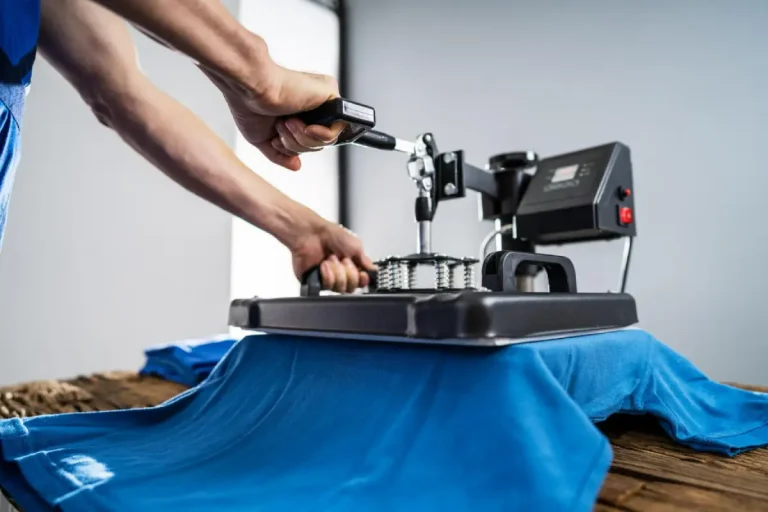
In the high-stakes world of custom apparel, the transition from hobbyist printing to professional-grade production is rarely about working harder—it is about mastering the material science. Many entrepreneurs view dtf technology as a simple “print-and-press” system, but treating it with that mindset often leads to inconsistent results and stunted business growth. If you are serious about building a brand that stands out, you need to look past the machinery and focus on the technical chemistry that defines a retail-ready product.
The core of professional apparel decoration lies in the molecular bond between the transfer and the textile. When you utilize dtf transfers, you are essentially engineering a secondary skin for the garment. If that bond is compromised by improper humidity, uneven heat, or incorrect curing, your brand reputation is at risk. At Harwin, we emphasize that achieving the “soft-hand” feel—where the print moves with the fabric instead of sitting on top like a sticker—is the hallmark of a top-tier operation.
The Hidden Science: Adhesive Curing and Humidity
One of the most frequently overlooked factors in production failure is the environmental condition of your workspace. The adhesive powder used in the process is hygroscopic, meaning it absorbs moisture from the air. In humid environments, this moisture causes microscopic pinholes in your adhesive layer during the curing process, leading to premature peeling after the first wash.
To prevent this, Harwin recommends maintaining a strict moisture-control protocol. Store your adhesive powder in airtight containers with desiccant packs, and ensure your curing oven is calibrated to a stable temperature. It is a minor procedural change, but it effectively eliminates the most common cause of “spotty” or weak adhesion. When you control the environment, you control the quality of the end product.
Logistical Agility: The “Near Me” Strategy
In a retail environment that demands instant gratification, your supply chain is your biggest competitive advantage. Searching for dtf transfers near me is not merely a convenience; it is a strategic decision to reduce your “time-to-market.” By partnering with a reputable regional printing house, you gain the ability to fulfill custom orders in 48 hours rather than waiting on week-long shipping from distant mass-producers.
This localized approach also fosters a collaborative environment. You can work directly with your provider to refine color profiles, test ink density, and experiment with specialty finishes like matte or stretch-fit additives. This level of technical partnership turns your print supplier into an extension of your own studio, allowing you to iterate your product catalog at a pace your competitors simply cannot match.
Engineering a Scalable Production Workflow
Scaling a business requires moving from “bespoke craft” to “scalable system.” As your order volume grows, manual processes that once felt manageable become bottlenecks. To successfully scale, you must codify your technical expertise into a digital library of settings. Every team member should be able to access a standardized guide detailing the exact temperature, dwell time, and pressure for every textile type you offer—from organic cotton to synthetic performance blends.
Harwin advocates for proactive “destructive testing” on your own inventory. By taking a sample from each production run and subjecting it to aggressive wash-and-dry cycles, you gain the empirical data required to provide a true durability guarantee to your customers. When you can market your apparel with an ironclad promise of longevity, you elevate your brand beyond the “custom tee” market and into the world of premium, high-margin retail.
Frequently Asked Questions
Why is “pre-pressing” the garment so important?
Pre-pressing removes residual moisture from the fabric and flattens the fibers. If you skip this step, steam trapped in the fabric can interfere with the adhesive bond, leading to bubbling or uneven adhesion that ruins the print quality.
How do I identify a professional-grade transfer supplier?
When searching for dtf transfers near me, look for shops that use automated, industrial-grade curing ovens rather than manual hand-curing. Professional shops will also be able to provide technical documentation on their ink formulations and offer sample kits that demonstrate high elasticity and color density.
Is this process compatible with heat-sensitive fabrics?
Yes, but it requires precision. You must use specialized, low-temperature adhesive powders and calibrate your heat press to the specific thermal threshold of the material, such as polyester or nylon, to ensure a secure bond without damaging the garment fibers.
What is the most effective way to prevent “ghosting”?
Ghosting typically occurs when the film shifts during the press or if the transfer is not allowed to cool completely before peeling. Always ensure your heat press is providing firm, consistent pressure, and use a “cold-peel” technique where you let the garment reach room temperature before removing the film to ensure a locked-in bond.
Building a successful, high-quality apparel brand is an ongoing process of technical refinement and strategic sourcing. By mastering the potential of dtf, you position your brand to compete at the highest level of the custom merchandise market. Harwin is committed to providing the industry insights you need to turn your production floor into a professional, profitable enterprise. Start optimizing your workflow today—your commitment to quality is the most valuable investment you can make for your brand’s future.