
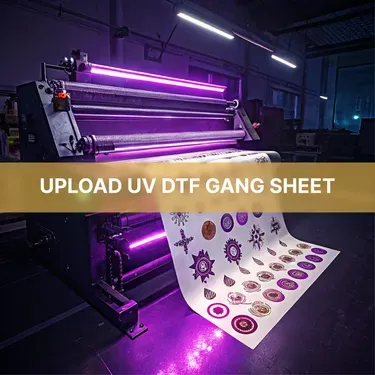
In the ever-evolving world of printing, one technique that has gained significant attention is UV DTF Gangheet. This innovative method combines the robustness of UV printing technology with the versatility of Direct to Film (DTF) printing, making it a favorite among professionals seeking vibrant and durable prints. With its ability to produce high-quality images on a range of surfaces, UV DTF Gangheet is revolutionizing how businesses approach custom designs. In this article, we will explore essential tips and best practices for DTF printing, helping you to unlock the full potential of this remarkable technique. Whether you are a seasoned printer or just starting, understanding the nuances of the DTF gangheet process will ensure your outputs stand out in an increasingly competitive market.
UV DTF Gangheet, also known as Direct to Film gangheet, represents a groundbreaking advancement in the realm of printing technology. This method merges the unique attributes of ultraviolet (UV) curing with the practicality of Direct to Film techniques, allowing for exceptional quality and durability in printed designs. As we delve deeper into the specifics of this printing process, we will cover a variety of strategies and insights on optimizing your outputs. Embracing best practices for DTF not only enhances production but also paves the way for creative exploration in printing applications. Join us as we navigate through the key elements that make UV DTF printing a vital tool in modern design and production.
Understanding the Basics of UV DTF Printing
UV DTF printing, or Direct to Film printing, represents a substantial innovation in the printing industry, enabling the transfer of high-definition images onto a variety of materials. Unlike conventional printing methods, UV DTF employs ultraviolet inks that cure instantly when exposed to UV light, enhancing durability and color vibrancy. This technology is particularly notable for its ability to produce detailed graphics on diverse textures, making it a go-to choice for textiles, wood, metal, and even glass applications.
The integration of UV printing technology with DTF methods not only streamlines production but also improves the overall output quality. As digital printing continues to evolve, UV DTF emerges as a frontrunner, combining efficiency with unmatched precision. It allows businesses to meet the rising demand for custom prints while ensuring that color fidelity and longevity are not compromised.
Frequently Asked Questions
What is UV DTF Gangheet and how does it work?
UV DTF Gangheet refers to the transfer film used in UV Direct to Film printing, a method that combines UV curing with DTF technology. This process allows for vibrant and durable prints by transferring UV inks onto various surfaces using heat-activated films.
What are the best practices for UV DTF printing?
To optimize UV DTF printing with gangheet, follow these best practices: choose high-quality gangheet designed for UV applications, control the thickness and texture during printing, and ensure compatibility with the printing surface to achieve stunning results.
How do I select the right gangheet for UV DTF printing?
Selecting the right gangheet for UV DTF printing involves choosing a high-quality film that enhances adhesion and clarity. Consider the material you will print on, the thickness of the gangheet, and perform small tests to ensure compatibility for optimal results.
What are the tips for optimizing the UV curing process in DTF printing?
To optimize the UV curing process in UV DTF printing, ensure the UV lamps are correctly set up for height and intensity, monitor exposure times for the best ink adhesion, and consider post-curing treatments to enhance the durability of your prints.
How important is temperature and humidity control in UV DTF printing?
Temperature and humidity control play a crucial role in UV DTF printing quality. Maintain temperatures around 20-23°C (68-73°F) and humidity levels around 50% to ensure optimal ink flow and adhesion, leading to superior print quality.
What maintenance is required for UV DTF printing equipment?
Routine maintenance for UV DTF printing equipment includes regular cleaning of print heads, conducting inspections of all components, and calibrating your printer settings to ensure consistent quality. This helps prevent issues that can disrupt the printing process.
| Key Aspect | Description |
|---|---|
| What is UV DTF Printing? | A method that combines UV curing with DTF technology to transfer high-quality images onto various surfaces. |
| Importance of Choosing the Right Gangheet | Selecting the correct transfer film impacts print quality and durability significantly. |
| Choosing Quality Gangheet | Opt for high-quality materials designed for UV DTF to ensure clarity and adhesion. |
| Selecting the Right UV Inks | Use inks that are compatible with your printer and known for vibrancy and durability. |
| Optimizing the Curing Process | Proper setup of UV lamps and monitoring exposure times is vital for print quality. |
| Maintaining Temperature and Humidity | Stable temperature (20-23°C) and humidity (around 50%) are ideal for optimal printing. |
| Pre-Press Treatment | Clean substrates and use primers to enhance ink adhesion. |
| Printer Calibration | Regular calibration ensures consistent quality across different print jobs. |
| Cleaning and Maintenance | Routine cleaning and inspections help prevent breakdowns and maintain quality. |
Summary
UV DTF Gangheet is a cutting-edge technology that revolutionizes the printing landscape by providing unmatched print quality and versatility. By understanding and implementing specific methods such as selecting high-quality gangheet, optimizing curing processes, and maintaining proper environmental conditions, printers can achieve exceptional results. These practices not only enhance the final product's durability and vibrancy but also ensure a smooth production workflow. As the market for UV DTF printing continues to grow, businesses that embrace these practices will not only improve their offerings but also gain a competitive edge in the industry.