
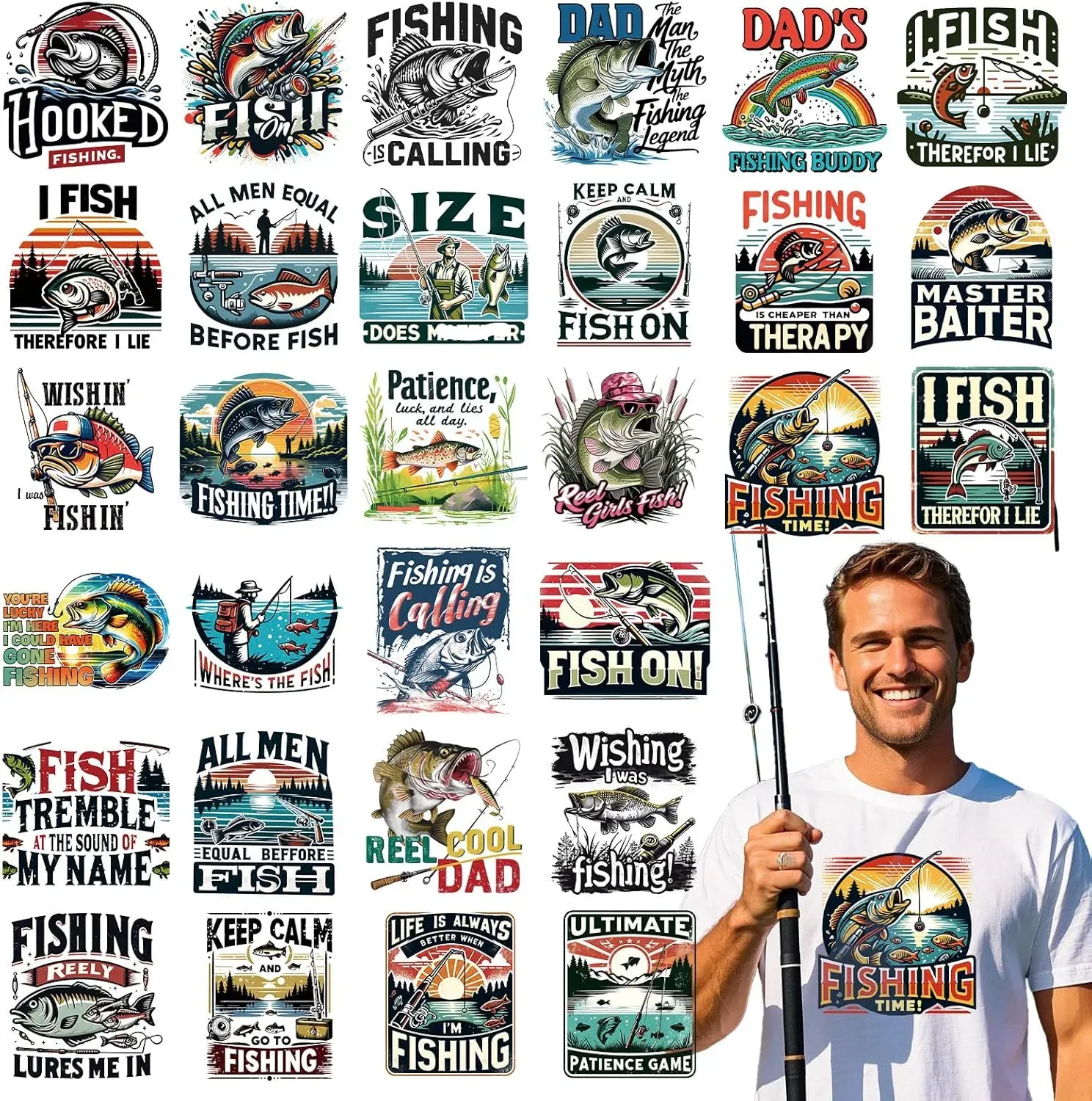
DTF transfers for T-shirts and hoodies offer vibrant, durable imagery with a streamlined workflow that fits small studios and home presses alike. For those evaluating options, consider how to choose DTF transfers by looking at color fidelity, adhesion across fabrics, and overall value. To ensure shopper satisfaction, you’ll want the best DTF transfers for apparel that balance soft hand feel with bold, long-lasting color. Assess DTF transfer quality and durability by reviewing wash tests, edge clarity, and how the design holds up after repeated cycles. Lastly, learn how to apply DTF transfers correctly to achieve predictable results and minimize misprints during production.
Beyond the exact product name, this approach can be described using alternatives like film-based transfers and direct-to-film processes, which explain the same method from different angles. When comparing options for apparel decoration, consider factors such as colorfastness, fabric compatibility, and production efficiency to match your workflow. In practical terms, you’ll hear terms such as adhesive-coated film, cure parameters, and heat-press steps that all relate to delivering reliable results. The core objective remains consistent: bright color, comfortable hand, and durable adhesion across typical garments.
DTF transfers for T-shirts and hoodies: A Comprehensive Buying Guide
Choosing the right DTF transfers for T-shirts and hoodies sets the foundation for consistent high quality results across runs, from one off designs to on demand orders. This buying guide focuses on performance, durability, and ease of use, helping you identify transfers that reproduce vibrant color, preserve fine details, and feel comfortable on the garment after curing.
By evaluating the film quality, adhesive formulation, powder consistency, and curing parameters, you can compare options beyond price alone. Expect test prints and wash data from reputable suppliers, and use those benchmarks to predict long term wear, color stability, and edge integrity across fabrics.
How to Choose DTF transfers: Key Criteria for Color, Feel, and Cost
When you embark on how to choose DTF transfers, color fidelity and edge definition are top priorities. Look for transfers that reproduce deep tones, smooth gradients, and small text without bleeding, and request samples or test patches on multiple fabrics to gauge consistency.
Consider the hand feel and adhesion across fabrics. A transfer can look great on cotton but feel stiff on blends if the thickness is high. Balance vibrant appearance with a soft hand and reliable performance across cotton, poly blends, and performance fabrics.
DTF transfer quality and durability: Assessing performance across fabrics and washes
Quality and durability hinge on the film, adhesive, and powder, as well as the curing protocol. Evaluate how the design holds up to repeated washing, color retention, and edge resistance on 100% cotton, poly blends, and performance fabrics.
Look for third party wash testing or supplier provided data showing colorfastness after 25, 50, or 100 cycles. A higher upfront investment often yields a lower total cost of ownership by reducing returns, rework, and customer dissatisfaction.
DTF transfer types and finishes: Matte, Gloss, All-Over, and Special Effects
DTF transfers come in several formats: Standard transfers for run of the mill designs, All-over transfers for full coverage, and finishes like matte or gloss that affect the garment look and feel. Choosing the right type depends on design complexity, garment color, and expected wear.
Texture, metallic accents, or raised effects add visual pop but may demand stricter care and alignment. Consider your target audience and how the finish impacts drape, breathability, and wash performance when selecting among options.
How to apply DTF transfers correctly: Steps from Printing to Final Cure
To learn how to apply DTF transfers correctly, follow a repeatable workflow: print with a compatible printer, apply adhesive powder, cure the film, and press onto the garment using the recommended temperature, time, and pressure.
Ensure proper alignment, use heat press indicators, and choose hot-peel or cold-peel according to the transfer instructions. A consistent peel method and a brief post-press cure help set the adhesive and improve wash durability.
Best DTF transfers for apparel: Supplier Selection, Testing, and Warranties
To find the best DTF transfers for apparel, start with reputable vendors offering clear care guidelines, product datasheets, and swatches. Request samples to compare color, edge sharpness, and hand feel across fabrics you routinely print.
Review warranty terms, return policies, and batch to batch consistency. A reliable supplier will provide test data, problem resolution processes, and scalable options for both small runs and larger orders.
Frequently Asked Questions
How to choose DTF transfers for T-shirts and hoodies?
DTF transfers for T-shirts and hoodies should be evaluated for print quality, color fidelity, and adhesive compatibility across cotton and blends. Request test swatches and wash tests to confirm color retention and a soft hand feel after curing. Also consider fabric type, care guidelines, and supplier support to reduce rework.
What are the best DTF transfers for apparel?
The best DTF transfers for apparel balance color accuracy, durability, and ease of application. Look for high-resolution prints, strong adhesion on your target fabrics, and a comfortable hand feel; review sample prints or test results to compare options before buying.
Why is DTF transfer quality and durability important for T-shirts and hoodies?
DTF transfer quality and durability depend on film quality, adhesive formulation, and proper curing. Choose transfers with proven wash test data showing minimal cracking or fading after multiple cycles, and verify edge definition on detailed designs.
How to apply DTF transfers correctly for T-shirts and hoodies?
To apply DTF transfers correctly, pre-press the garment briefly, align the design precisely, and press at the recommended temperature and time. Use the prescribed peel method (hot or cold) and allow a post-press cure if advised by the supplier to maximize adhesion.
How do you compare DTF transfers from different suppliers for T-shirts and hoodies?
When comparing suppliers, request swatches, test on representative fabrics, and review care and warranty terms. Check fabric compatibility, total cost of ownership, and batch reliability to ensure consistent results for your T-shirts and hoodies.
What should you consider about finish and feel when choosing DTF transfers for T-shirts and hoodies?
Consider matte versus gloss finishes and how they affect the garment’s look and wearability. Pay attention to transfer thickness, edge sharpness, and the overall hand feel to ensure the final product meets customer expectations for comfort and quality.
| Topic | Key Points |
|---|---|
| Introduction | Choosing the right DTF transfers for T-shirts and hoodies is essential for consistent, long-lasting results. Focus on performance, durability, and ease of use to meet your needs and budget. |
| Understanding DTF transfers and why they matter | DTF transfers combine color reproduction with fabric flexibility. Process: print on film, apply adhesive powder, cure, then press onto fabric. Result is vibrant, durable images that suit small runs and on-demand production. |
| Key factors to consider when choosing DTF transfers | 1) Print quality and color fidelity: vibrant color, edge sharpness, and minimal color shifting; request test prints to validate gradients and small text. 2) Adhesive quality and fabric compatibility: strong adhesion on cotton, poly blends, and some performance fabrics; check care and compatibility notes. 3) Transfer thickness and hand feel: balance color depth with a soft hand feel; avoid overly stiff transfers. 4) Durability and wash testing: withstand multiple washes; look for wash-test data. 5) Film quality, powder formulation, and curing: proper film, adhesive powder, and curing parameters; some may require post-press curing. 6) Application ease and workflow compatibility: clear press times and peeling instructions; batch consistency matters. |
| Types of DTF transfers and how they affect your choice | - Standard transfers: good color and durability with straightforward application. - All-over transfers: large-area prints requiring careful alignment and higher heat exposure. - Matte vs. gloss finishes: affect look, feel, and perceived quality. - Specialty textures: textured or metallic elements with unique care requirements. |
| How to compare transfers from different suppliers | - Request swatches and perform tests on various fabrics to assess color, edge quality, and adhesion after washing. - Check compatibility notes for garment types and blends. - Review care guidelines and warranty terms. - Compare total cost of ownership (unit price plus waste, rework, and time). - Look for consistency and batch-to-batch reliability. |
| Application workflow basics for reliable results | - Preheat the garment briefly (5–8 seconds) to remove moisture. - Align and position the design accurately. - Apply heat and pressure per transfer specs (typical ~150–160°C / 300–320°F for 10–20 seconds). - Peel method: hot or cold as instructed; maintain edge sharpness. - Optional post-press cure to fully set the adhesive. |
| Care, durability, and when to replace transfers | - Turn garments inside out for washing; use mild detergents and avoid high-heat drying. - Some color shift or edge wear may occur with frequent washing. - If peeling, hazing, or color loss appears, re-evaluate transfers. - Regular testing with sample garments helps catch issues early. |
| Common mistakes and how to avoid them | - Incorrect heat settings or insufficient pressure; peeling before fully cured. - Not allowing fabric to cool before handling. - Inconsistent SOPs for temperatures/dwell times. - Skipping protective sheets or maintaining a dirty pressing surface. - Relying solely on supplier guidelines without testing. |
| A practical buying guide for DTF transfers for T-shirts and hoodies | - Start with your most common garment types and end-use. - For 100% cotton tees, prioritize color fastness and soft hand-feel. - For blends, ensure adhesive works across fabrics. - Request high-resolution samples for all-over designs or fine detail. - Build a simple evaluation process with visual checks and wash tests on representative garments. - Choose transfers that align with business goals (quality, cost, turnaround). |
Summary
DTF transfers for T-shirts and hoodies deliver vibrant color, durable wear, and a flexible workflow across fabric blends. This descriptive overview explains why choosing the right transfers matters for consistency, quality, and profitability. By focusing on color fidelity, fabric compatibility, transfer thickness, and application ease, you can select transfers that meet your business goals. Remember to request samples, perform tests, and compare suppliers to ensure reliable results over time. With careful evaluation, you’ll build a transfer setup that enhances your product line and keeps customers coming back.