
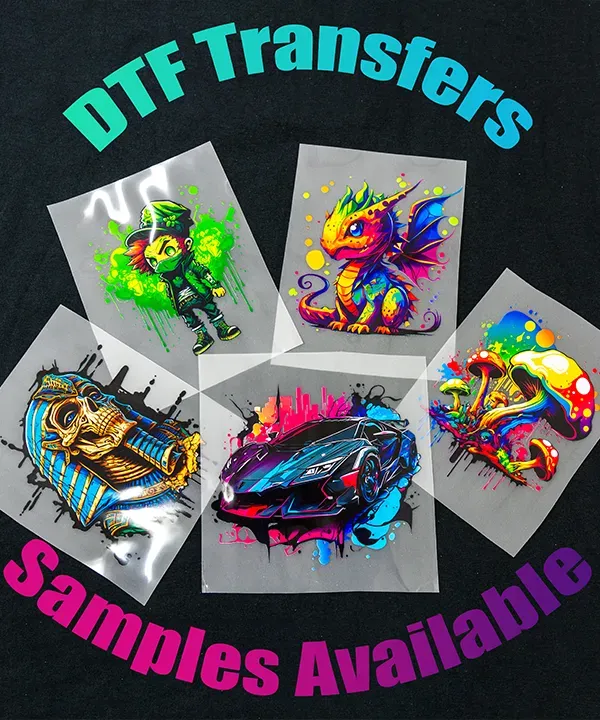
DTF transfers, or Direct to Film transfers, have revolutionized the craft of customizing fabrics at home. This innovative printing method provides enthusiasts the ability to create vibrant, durable designs that adhere seamlessly to various materials such as cotton and polyester. As we dive into the exciting world of DTF printing, you'll discover how to create DTF transfers step-by-step, from understanding the DTF transfer process to assembling the necessary materials for DIY DTF transfer projects. With the right techniques, DTF printing at home not only becomes feasible but also cost-effective, allowing you to produce stunning designs without the hefty expense of commercial printing. Join us as we explore how to unleash your creativity and transform your fabric projects with incredible DTF transfers.
Direct to Film transfers, often referred to as DTF printing, represent a significant advancement in fabric decoration technology. This technique empowers DIY enthusiasts by enabling them to apply beautiful, high-quality images onto textiles effortlessly. From learning about the essential materials needed for the DTF transfer process to the techniques for achieving professional results, understanding how to execute these steps can elevate your crafting experience. Whether you are a beginner or an experienced printer, exploring the benefits of DTF printing can open up a world of creative possibilities that extend well beyond traditional printing methods. Discover how this innovative approach can make your custom apparel dreams a reality.
The Essentials of DTF Printing: What You Need to Get Started
To embark on your DTF printing journey, it’s crucial to gather all the necessary materials beforehand. The most essential component is a specialized DTF printer, which operates differently from standard inkjet models. Ensure that your printer is equipped to handle DTF inks, as this will significantly affect print quality. Besides the printer, you will also need DTF transfer film which is designed specifically for this process. This film helps ensure that your designs are printed vividly and adhere well to various fabric types.
Additionally, having hot melt adhesive powder on hand is crucial for securing the design onto your fabric. This adhesive is activated during the heat transfer process and plays a key role in achieving durable results. A heat press is another important tool in your DTF printing arsenal since it applies the necessary pressure and heat required to transfer the design successfully. Lastly, using design software like Adobe Photoshop can enhance your ability to create unique, eye-catching designs that will make your projects stand out.
Step-by-Step DTF Transfer Process: A Comprehensive Guide
The DTF transfer process begins with creating your designs using graphic design software. Make sure to choose high-resolution images and save them in compatible formats to maintain quality. Once your design is ready, print it onto the DTF transfer film with your DTF printer set to optimal color and quality. This step is critical as it sets the foundation for the entire project.
Following the printing, you will want to apply a layer of hot melt adhesive powder to the printed side of the film. The key to a successful transfer is to properly cure the adhesive before moving on. This can easily be done using your heat press, ensuring the adhesive is activated and ready to bond with the fabric. Finally, position the film with the design onto your fabric, use your heat press to transfer it, and peel away the film. Each of these steps must be executed carefully to achieve stunning results.
Tips for Achieving High-Quality DTF Transfers at Home
To achieve the best quality DTF transfers at home, it’s essential to understand your printer's settings. Make adjustments for color accuracy, resolution, and compatibility with DTF ink. Different fabrics may require different heat settings, so it’s wise to test various combinations on scrap pieces before applying them to your final project. This practice ensures that the adhesive bonds correctly without damaging the fabric.
Pre-pressing your chosen fabric is another important tip. Ensure the surface is clean and moisture-free to facilitate a smoother transfer, which can help in minimizing wrinkles and defects in the final design. Additionally, utilizing a protective sheet over your transfer film during the heat-pressing step can help in achieving a cleaner release from the film, enhancing the durability and vibrancy of the print.
Understanding the Cost of DTF Printing: Is It Worth It?
When considering DTF printing at home, understanding the cost structure is vital. Initial investments include the printer, heat press, and materials such as transfer film and adhesive powder. While this could seem steep initially, the potential for creating high-quality, customized apparel can lead to significant savings over time, especially compared to commercial printing services.
Furthermore, producing your DTF transfers means you can create on-demand items, minimizing waste and excess inventory costs. This flexibility is especially beneficial for small businesses and hobbyists looking to enter the custom apparel market, empowering them to cater to specific customer demands without the high upfront costs associated with bulk printing.
Sustainability in DTF Printing: Eco-Friendly Practices to Consider
As DTF printing gains popularity, it’s important to address sustainability aspects. The choice of materials, from inks to adhesives, can have a significant environmental impact. As such, opting for eco-friendly inks and responsibly sourced materials is essential for reducing your footprint in DIY projects. Look for suppliers that prioritize sustainability in their manufacturing processes.
Moreover, consider reusing materials whenever possible and minimizing waste. By adopting practices such as recycling unused transfer film and maintaining your equipment properly to extend its life, you can contribute positively to the environment. These small adjustments in your DTF printing process can make a considerable difference in promoting sustainability in the crafting community.
Why DTF Transfers are a Game-Changer in Custom Apparel
DTF transfers are revolutionizing the world of custom apparel for multiple reasons. Firstly, the versatility of the DTF printing method allows for vibrant designs that are suitable for a wide range of fabrics including cotton, polyester, and blends. This adaptability means that anyone can create custom items for various applications, whether for personal use, promotional materials, or entrepreneurial ventures.
Another significant advantage is the durability of DTF prints. Unlike traditional methods which can crack or peel over time, DTF transfers provide long-lasting results, making them ideal for garments that withstand regular washing and wearing. This feature significantly enhances the appeal of DTF printing to both casual hobbyists and serious business owners in the custom apparel market.
Frequently Asked Questions
What is the DTF transfer process and how does it work?
The DTF transfer process involves printing designs onto a special film using a DTF printer, followed by applying hot melt adhesive and transferring the design to fabric with a heat press. This method produces vibrant, long-lasting prints resistant to cracking and peeling.
How to create DTF transfers at home?
To create DTF transfers at home, you need a DTF printer, DTF transfer film, hot melt adhesive powder, a heat press, and design software. The process includes designing your artwork, printing it on the film, curing the adhesive, and finally heat pressing it onto your chosen fabric.
What materials are necessary for DIY DTF transfer projects?
For DIY DTF transfer projects, you'll need a specialized DTF printer, DTF transfer film, hot melt adhesive powder, a heat press, and design software like Adobe Illustrator or Photoshop. Together, these materials allow you to effectively produce high-quality DTF transfers.
What is the cost of DTF printing and is it worth it for home use?
The cost of DTF printing can vary based on the equipment and materials you choose. Investing in a good DTF printer and supplies can provide a cost-effective solution for custom apparel projects at home, especially compared to commercial printing costs for low-volume orders.
Can I do DTF printing at home with a standard inkjet printer?
While standard inkjet printers are not designed for DTF printing, some can be converted for DTF use with the right modifications and materials. However, purchasing a dedicated DTF printer is recommended for optimal results and ease of use.
What are some tips for successful DTF transfers?
For successful DTF transfers, ensure your printer is compatible with DTF inks, adjust heat settings according to your fabric type, pre-press your fabric to remove moisture and wrinkles, and experiment with the timing and pressure of your heat press for the best adhesion.
| Key Points | Details |
|---|---|
| Introduction to DTF Transfers | DTF printing allows customization of fabrics with vibrant designs and is popular for its high-quality results. |
| Materials Needed | 1. DTF Printer 2. DTF Transfer Film 3. Hot Melt Adhesive Powder 4. Heat Press 5. Design Software (like Adobe Illustrator or Photoshop) |
| Step-by-Step Process | 1. Create a design in design software. 2. Print the design on DTF transfer film. 3. Apply hot melt adhesive powder. 4. Use a heat press to transfer the design to fabric. 5. Peel the film away after cooling to reveal the transfer. |
| Tips for Success | 1. Check printer compatibility for DTF inks. 2. Experiment with heat settings for different fabrics. 3. Pre-press fabric to remove moisture and wrinkles. |
| Recent Developments | Advancements in technology and printer quality make DTF printing more accessible for home users. Online communities are growing, sharing tips and enhancing the DIY DTF experience. |
| Sustainability Considerations | Reflecting on environmental impact and promoting responsible material sourcing in DTF printing practices. |
Summary
DTF transfers allow you to unlock your creativity and customize a variety of fabrics with ease. This rewarding method utilizes a process that is both accessible and produces high-quality results, making it popular among DIY enthusiasts and small businesses alike. By understanding the materials and following the essential steps outlined, you can achieve stunning designs that are both vibrant and enduring. As you explore the growing advancements and community support around DTF transfers, you will find endless possibilities for artistic expression and professional applications in your projects.