
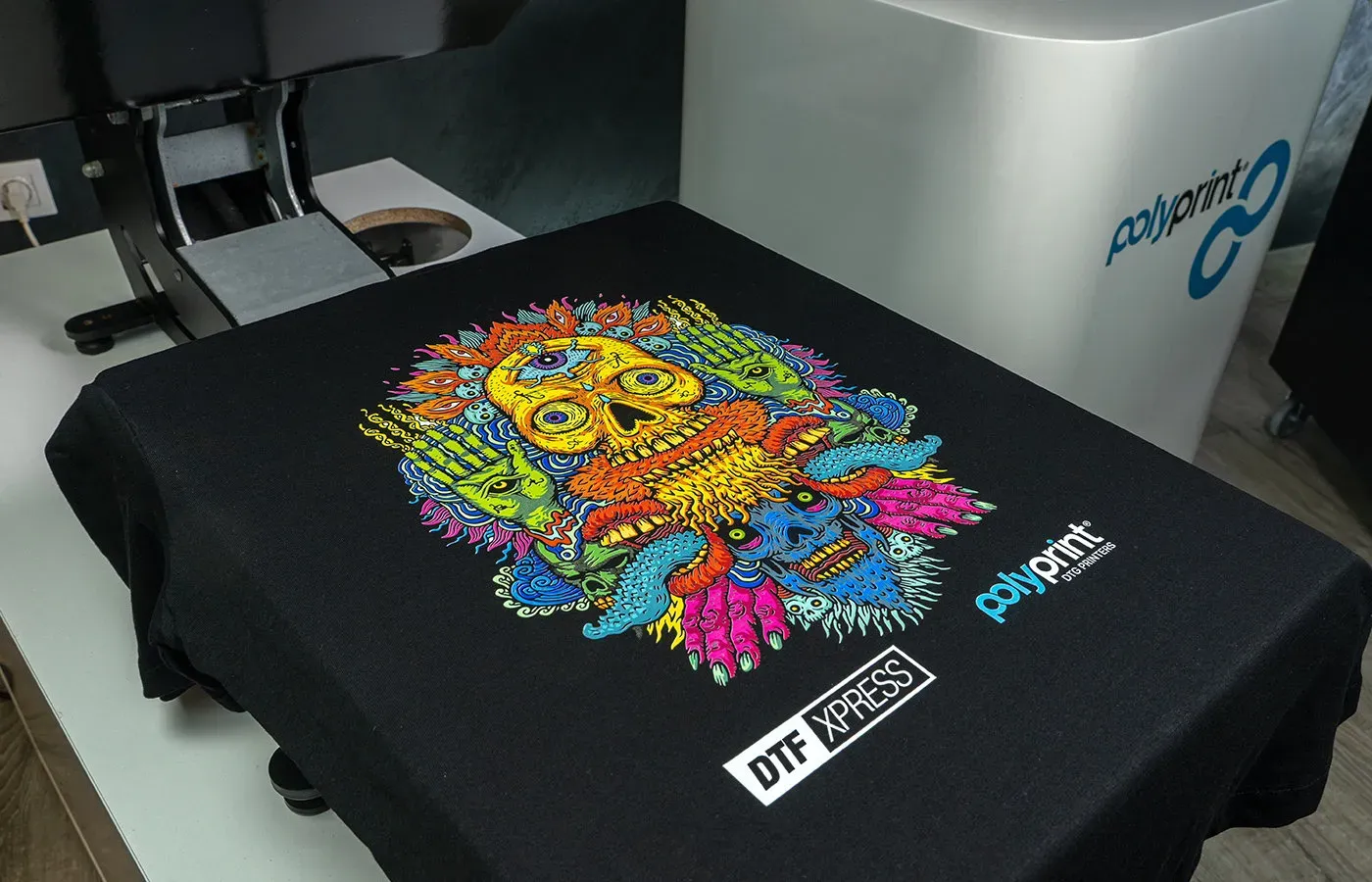
DTF printing, or Direct-to-Film printing, represents a groundbreaking shift in the textile printing industry, offering a blend of efficiency, sustainability, and versatility. This innovative technology allows designers and manufacturers to create high-quality fabric prints with an impressive vibrancy and durability that can compete with traditional methods. As commitment to sustainable textile printing grows, DTF emerges as a cost-effective printing method that minimizes waste and energy consumption, appealing to both eco-conscious consumers and businesses alike. With its adaptable printing technology, DTF can seamlessly print on a variety of fabric types, ensuring that the creative possibilities are virtually limitless. In this blog post, we will delve into five compelling reasons why DTF printing is setting the stage for the future of textile printing.
Also referred to as Direct-to-Film technology, DTF printing is revolutionizing the way textiles are printed by providing an efficient and adaptable solution for fabric decoration. This advanced printing technique allows for rich, vibrant designs that maintain their integrity over time, meeting the demands of a fast-evolving market. With sustainability at the forefront of modern consumer preferences, utilizing DTF offers a more eco-friendly alternative compared to traditional methods that require excessive resources. Its cost-effective nature positions DTF as an attractive option for small businesses and entrepreneurs looking to innovate without breaking the bank. As we explore the ins and outs of this versatile approach, the advantages of DTF will become increasingly clear in shaping the future of textile printing.
Revolutionizing Textile Production with DTF Printing
Direct-to-Film (DTF) printing is setting a new standard in the textile industry, fundamentally reshaping printing processes and production efficiency. This innovative method allows artists and designers to print directly onto films, which are then heat-transferred to fabric. This not only streamlines the production process but also reduces overall waste, making it a favored choice among environmentally conscious brands. In addition to its sustainable implications, DTF printing's ability to cater to different materials means that it can accommodate unique fabric blends, ensuring designers have the flexibility they need to express their creativity without limitations.
By utilizing DTF technology, companies can significantly enhance their workflows. Unlike traditional printing methods that often require extensive setup and material adjustments, DTF offers a more straightforward approach. This simplicity enables quick turnarounds, which is paramount in today's fast-paced fashion market. Whether it’s producing limited-edition collections or fulfilling bulk orders, DTF’s adaptability is reshaping how businesses approach textile production.
The Sustainability Factor in Textile Printing
Sustainability has become a top priority for many businesses, especially in the textile industry where the environmental footprint can be considerable. DTF printing stands out as an eco-friendly alternative due to its efficient use of resources. Traditional methods often consume vast amounts of water and energy, but DTF enhances efficiency by minimizing excess material usage. This not only aligns with growing consumer demand for sustainable practices but also helps brands to become more competitive in an increasingly eco-conscious market.
Moreover, the reduction in hazardous waste produced through DTF processes significantly contributes to the environmental benefits of this printing method. By minimizing chemical runoff and waste generated during production, DTF supports a healthier planet. Brands that embrace these sustainable practices through DTF not only enhance their reputation but also attract a broader customer base that values sustainability.
Cost-Effective Solutions for Startups
Many startups and small businesses face financial constraints when entering the textile market. This is where DTF printing shines, providing an affordable entry point into textile printing. Unlike screen printing, which often requires expensive screens and setups, DTF allows smaller operators to access high-quality printing without a hefty upfront investment. This democratization of printing technology empowers emerging brands to create unique products that stand out in the market.
Additionally, as businesses save costs through simpler setups and processes, they can allocate those savings into other essential areas such as marketing or product development. As highlighted by industry analysts, the cost-efficiency of DTF printing is making it an increasingly popular choice among newcomers hoping to carve their niche in a competitive landscape.
Creating High-Quality Textile Prints with DTF
When it comes to visual appeal, high-quality prints are crucial for customer satisfaction, and DTF printing excels in producing vivid, detailed designs. The technology enables the use of an unlimited color palette, allowing for intricate and vibrant patterns that can be transferred seamlessly across various fabrics. This capability is especially beneficial for fashion designers looking to make bold statements through their designs, as DTF ensures that every detail is reproduced with accuracy and clarity.
Durability is another area where DTF printing stands out. Prints made using this technology endure multiple washes without fading or losing vibrancy, setting a new benchmark for quality in textile printing. As customers increasingly seek products that maintain their aesthetic appeal over time, DTF's superior longevity becomes a key selling point for brands seeking to enhance customer loyalty.
The Growth of DTF Technology
The DTF printing method is experiencing rapid growth as technology advances and more businesses recognize its potential benefits. The market is witnessing an influx of investment aimed at improving DTF printing equipment and workflows, making it an attractive option for larger manufacturing operations and independent designers alike. This increased focus on innovation is leading to improvements in print speed, quality, and versatility, making DTF a frontrunner in the textile printing sector.
Major industry events, such as the Fespa Global Print Expo, emphasize the importance of DTF in contemporary textile production. These gatherings not only showcase new technologies but also serve as platforms for networking and sharing best practices within the industry. As DTF technology continues to evolve, companies that invest in this method will likely find themselves at the forefront of the marketplace, ready to leverage the competitive advantages it offers.
Future-Proofing Your Business with DTF Printing
For businesses looking for longevity in the textile industry, adopting DTF printing technology offers a clear pathway forward. As market trends increasingly lean toward sustainability and personalized products, DTF printing aligns perfectly with these shifts. Companies that harness its adaptability will be better positioned to meet a diverse range of consumer demands, from eco-friendly options to custom designs.
Moreover, the versatility of DTF allows businesses to pivot quickly in response to changing trends and consumer preferences. By embracing this innovative printing method, brands not only secure a competitive edge but also demonstrate their commitment to advancing technological solutions in the industry, thereby attracting a loyal customer base eager to support forward-thinking businesses.
Frequently Asked Questions
What is DTF printing and how does it work?
DTF printing, or Direct-to-Film printing, is a revolutionary method for creating high-quality fabric prints. This process involves printing designs onto a special transfer film which is then applied to the fabric using a heat press. DTF printing offers versatility as it works well on various fabric types, including cotton and polyester, making it an adaptable printing technology.
What are the sustainability benefits of DTF printing?
DTF printing is known for its sustainability advantages as it consumes less water and energy compared to traditional textile printing methods. This efficient process reduces waste materials and minimizes the environmental impact, aligning with the growing consumer demand for eco-friendly practices in the fashion industry.
How is DTF printing a cost-effective printing method?
DTF printing is considered a cost-effective printing method due to its lower setup costs and minimal material wastage. It allows small businesses and independent creators to enter the market without large initial investments, enabling them to allocate resources towards marketing and product development.
Can DTF printing be used on different types of fabrics?
Yes, DTF printing is highly adaptable and can be used on a variety of fabrics, including cotton, polyester, and blends. This versatility enables designers to explore intricate designs and vibrant colors across multiple material types, making it ideal for diverse textile applications.
What quality can I expect from DTF printing?
DTF printing delivers high-quality fabric prints with vibrant colors and intricate designs. The technology allows for unlimited color options and creates high-resolution graphics that stand the test of time, often exceeding the quality of traditional printing methods and ensuring customer satisfaction.
How is the DTF printing industry evolving?
The DTF printing industry is rapidly growing, driven by continuous innovation and investment in new technologies. Events like the Fespa Global Print Expo showcase the latest advancements in DTF, which enhances its credibility and popularity among manufacturers looking to optimize their production processes.
| Key Point | Description |
|---|---|
| 1. Sustainability Benefits | DTF printing reduces water and energy use, minimizing waste and appealing to eco-conscious consumers. |
| 2. Adaptability to Fabrics | Can seamlessly print on various materials like cotton and polyester, maintaining high quality and durability. |
| 3. Cost-Effectiveness | Lower setup costs make it accessible for small businesses, allowing them to invest in innovation. |
| 4. High-Quality Prints | Produces high-resolution and vibrant prints that resist wear, exceeding traditional methods in quality. |
| 5. Industry Growth and Innovation | Rapid advancements and increasing investments signal a bright future for DTF technology in production. |
Summary
DTF printing is redefining the landscape of textile printing with its innovative approach to sustainability, cost-effectiveness, and quality. This transformative technology meets the rising demands for eco-friendly practices while offering unparalleled adaptability to a variety of fabrics. As industry growth and technological advances continue to flourish, DTF printing emerges not just as a trend, but as a necessary evolution in textile manufacturing. By embracing DTF, businesses can secure their competitive edge in an increasingly conscious market, producing high-quality products that appeal to a global audience. Ultimately, DTF printing is set to make a lasting impact on the future of textile printing.