
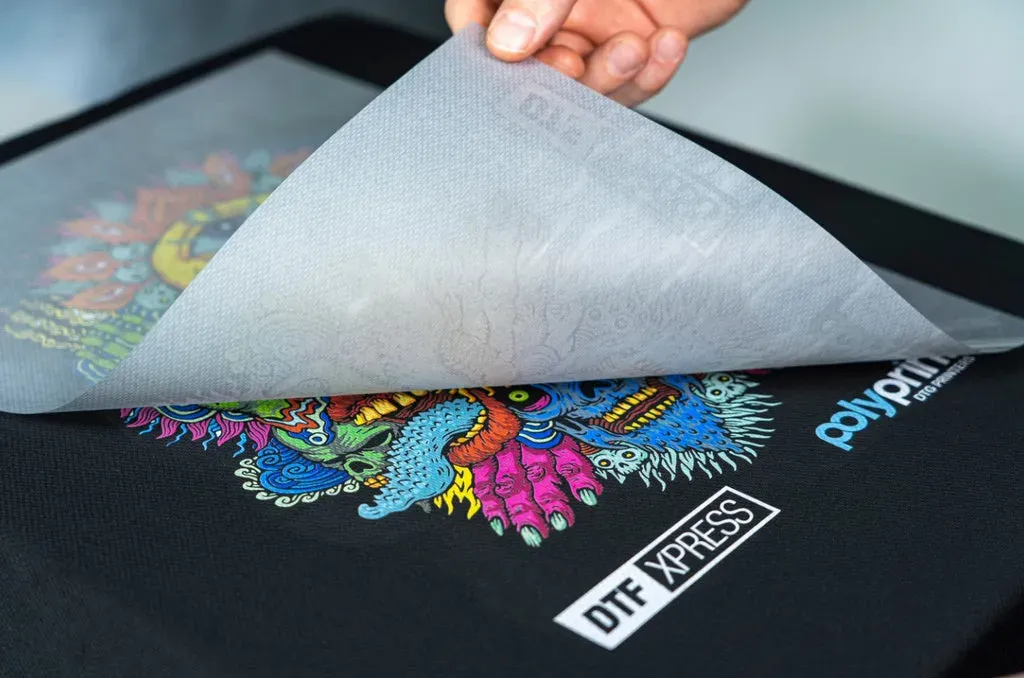
DTF on Fabrics is redefining how designers achieve bold, durable, and vibrant prints across a wide range of textiles. DTF printing on cotton offers bright colors and crisp detail, while DTF on polyester delivers high colorfastness in performance wear. Nylon presents its own challenges, but DTF on nylon can yield excellent results with proper adhesion and heat control. DTF fabric compatibility is about matching ink, film, adhesive, and curing guidelines to the fiber and weave. With the right settings, DTF durability on fabrics can remain strong, even after regular washing and wear.
Beyond the shorthand, this approach, often called direct-to-film transfer or film-based printing, delivers designs onto textiles via an adhesive-backed, printable film. Using alternative terms such as direct-to-film printing on textiles, film-based transfer, or adhesive-assisted transfer, the method shares the same core mechanics: a printed film, heat, and pressure that bond to fabric. As you explore substrate options, think in terms of fabric compatibility, colorfastness, and wash resilience rather than a single fiber label. LSI-informed terminology such as curing, heat press settings, and print durability helps search engines connect intent with practical guidance for designers and printers.
DTF on Fabrics: A Practical Guide to Cotton, Polyester, and Nylon
DTF on Fabrics opens the door to printing on multiple substrates, including cotton, polyester, and nylon. In particular, DTF printing on cotton benefits from natural fiber absorbency and strength, delivering bright colors and crisp detail when the adhesive-backed inks cure properly.
While the same process works across fabrics, performance on each material depends on fiber structure and proper curing. DTF durability on fabrics hinges on correct heat, dwell time, and post-transfer curing to maximize washability and colorfastness, whether you’re on cotton, polyester, or nylon.
DTF on Cotton: Bright Colors, Durability, and Care
Cotton remains the classic canvas for DTF printing on cotton, with natural fibers that readily accept the adhesive-backed ink for strong opacity and vibrant hues on light garments.
To maximize lifetime and colorfastness, follow pre-wash routines, appropriate heat settings, and post-transfer curing. Proper care supports DTF durability on fabrics, helping prints resist washing and wear.
DTF on Polyester: Color Saturation, Bonding Challenges, and Solutions
DTF on polyester yields bold color saturation and excellent wash resistance, but bonding can be more complex on hydrophobic synthetic fibers. With the right adhesive and ink formulation, you can achieve reliable adhesion and durable results.
Optimizing pre-warm steps, dwell time, and temperature helps maximize bond strength on polyester while protecting the fabric from heat damage. Selecting polyester-optimized inks and tuning process parameters are key to long-lasting prints and favorable DTF durability on fabrics.
Nylon: Delicate but Durable with DTF
Nylon is smooth and has low surface energy, which can challenge adhesion. DTF on nylon requires careful substrate preparation and using a compatible adhesive to ensure the print bonds well.
A lower application temperature and shorter dwell times can prevent scorching or fiber distortion. Gentle post-transfer care and a light set after transfer help preserve adhesion and maintain print quality over time. With the right settings, DTF durability on fabrics can be sustained on nylon.
DTF Fabric Compatibility: Blends, Velvet, Canvas, and Beyond
DTF fabric compatibility extends beyond the big three. Velvet, canvas, blends, and synthetic fabrics each respond differently to inks and adhesives, so understanding fiber composition and weave is essential.
Evaluating fabrics through test patches and controlled trials helps you choose substrates that maximize edge sharpness, color transfer, and adhesion across diverse textiles. This approach supports versatile DTF printing programs. That’s at the heart of solid DTF fabric compatibility decisions.
Best Practices for Long-Lasting DTF on Fabrics: Cure, Care, and Consistency
Durability on fabrics depends on fiber composition, print resolution, ink and film formulations, and proper curing. DTF durability on fabrics improves with precise heat, dwell time, and post-transfer curing tailored to each substrate.
Maintain consistency by logging settings, using reliable equipment, and educating customers on care. Following care guidelines—gentle washing, low-heat drying, and inside-out handling—helps extend the life of DTF prints, reinforcing DTF durability on fabrics over time.
Frequently Asked Questions
What is DTF on Fabrics, and how does it perform with DTF printing on cotton?
DTF on Fabrics is a direct-to-film process that applies an adhesive-backed ink transfer to fabric. When used for DTF printing on cotton, you typically get bright colors, crisp detail, and strong wash durability when cured correctly. Key steps include pre-washing the fabric to remove sizing, using appropriate heat and pressure (approximately 315–320°F / 157–160°C for 12–20 seconds), and allowing the print to cool briefly before peeling. Following your ink and film manufacturer’s curing guidelines maximizes longevity on cotton.
How does DTF on Fabrics perform for DTF on polyester versus cotton?
DTF on Fabrics can deliver bold colors and good durability on polyester, but this synthetic fiber requires careful parameter tuning. DTF printing on polyester benefits from higher heat tolerance, a pre-warm to reduce surface moisture, and optimized dwell times to maximize bond without scorching. Use polyester-optimized inks or formulations designed for synthetic fibers and adjust heat, time, and pressure to achieve strong color saturation and wash resistance.
What should I know about DTF durability on fabrics when printing on nylon?
DTF durability on fabrics with nylon can be excellent when adhesion is properly prepared. Nylon’s smooth, low-energy surface can resist ink bonding unless you choose a compatible adhesive and verify on a small patch. Use a lower transfer temperature (about 290–310°F / 143–154°C) and shorter dwell time, followed by a light setting press to minimize fiber distortion. Finally, avoid aggressive agitation in the wash to preserve the transfer.
How do you evaluate DTF fabric compatibility across different materials?
DTF fabric compatibility depends on fiber content, weave, and pre-treatment. Start with small test patches on each fabric (cotton, polyester, nylon, blends) to assess color reproduction, edge sharpness, and adhesion. Consider the adhesive chemistry and ink/film compatibility with each fiber, and note any fabric-specific care implications. Document results to guide scale-up.
What are best practices to maximize DTF durability on fabrics in real-world projects?
To maximize DTF durability on fabrics across substrates, pre-wash to remove sizing, test patches first, and cure transfers per manufacturer guidelines. Maintain consistent heat, pressure, and dwell times, and choose high-quality films and adhesives. Educate customers on care: cold washes, gentle cycles, and air drying to extend life. Keep records to reproduce successful results.
Can DTF on Fabrics deliver consistent results across cotton, polyester, and nylon?
Yes, DTF on Fabrics can deliver consistent results across cotton, polyester, and nylon when you tailor heat, time, and pressure to each fabric and verify with patches. By following the recommended guidelines for each substrate and curing properly, you can achieve reliable adhesion, color reproduction, and durability across these common fabrics.
| Aspect | Summary | Practical Tips |
|---|---|---|
| What DTF on Fabrics Means | DTF on Fabrics is the process of printing onto a clear/translucent film with adhesive and transferring the design to fabric via heat and pressure, yielding a flexible, durable print that works across many fabrics with simpler setup compared to some methods. | Ensure proper curing per ink/film guidelines; use compatible films/adhesives; prep fabric to improve adhesion. |
| Cotton: The Classic | Cotton yields bright colors, crisp lines, and excellent opacity on light garments; high detail possible; good wash durability when cured. | Pre-wash the fabric; press at around 315–320°F (157–160°C) for 12–20 seconds with medium–firm pressure; cool peel; cure per ink/film guidelines; avoid dry-cleaning and heavy abrasion. |
| Polyester | Synthetic, hydrophobic fibers that bond well with proper adhesives; strong color saturation and fade resistance with good bond. | Pre-warm to reduce surface moisture; longer dwell time if possible; higher temperature, shorter time window; use polyester-optimized inks. |
| Nylon | Delicate but durable prints; low surface energy can hinder adhesion without proper prep; prints benefit from lower temperatures and careful pressure. | Test adhesives on small patches; use 290–310°F (143–154°C) and shorter dwell times; light press after transfer; avoid aggressive wash. |
| Fabric Compatibility Beyond the 3 Main Fabrics | DTF works on velvet, canvas, blends, and other fabrics; responses vary by fiber composition, weave, and pre-treatment. | Evaluate fiber content and weave; consider pre-treatment needs; test on sample swatches before production. |
| Practical Tips for All Fabrics | General guidance that applies to most fabrics: prep, testing, curing, and care. | Pre-wash; test patches; ensure strong adhesive bonding; cure per guidelines; avoid high heat on first wash; educate customers on care. |
| Durability & Maintenance Across Fabrics | Durability depends on fabric, print resolution, ink/film formulations, and curing quality. | Aim for proper cure, optimize heat/time, and follow care instructions to maximize longevity. |
| DTF vs Other Printing Methods | DTF provides a flexible, cost-effective alternative to screen printing, HTV, and DTG with strong performance on blends and synthetics. | Compare options by fabric type, cost, and durability; consider DTF for seamless looks and good stretch. |
| Best Practices for Real-World Projects | A practical checklist for successful DTF projects. | Choose fabrics with compatible fiber content; document settings (process log); use reliable films, adhesives, and inks; plan wash cycles; consider fabric color. |
Summary
HTML table with key points about DTF on Fabrics: definition, fabric-specific tips (cotton, polyester, nylon), broader fabric compatibility, practical tips, durability, comparisons with other methods, and real-world best practices.