
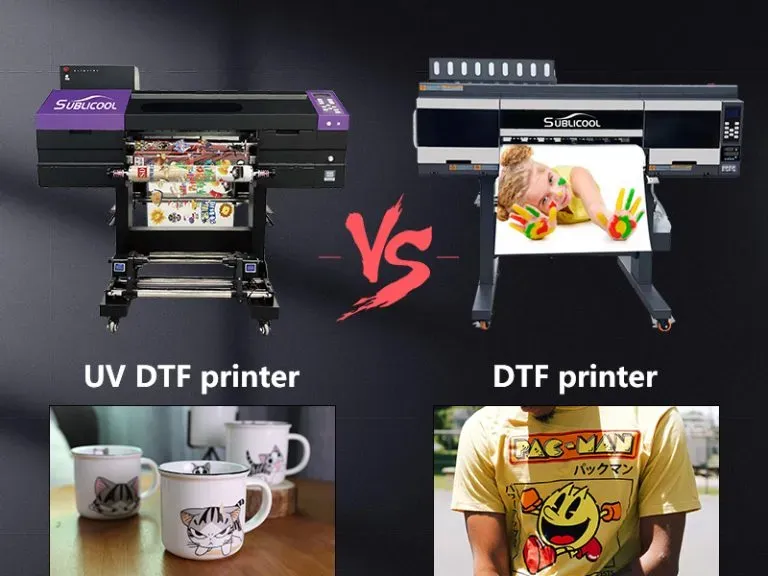
UV DTF vs Heat Transfer is a hot topic in garment printing methods, because designers constantly weigh durability, cost, and print quality. Understanding how UV DTF printing works and how it compares to traditional heat transfer helps you pick the right method for different fabrics. Durability considerations like DTF vs heat transfer durability vary by fabric and workflow. For example, UV direct-to-film printing offers crisp imagery and strong film bonding, while heat transfer emphasizes quick setup and broad media compatibility. To weigh cost alongside outcomes, consider DTF printing cost and how it aligns with your production goals and garment printing methods.
Viewed through an LSI lens, you’ll hear terms like UV-curable film transfers, film-based textile printing, or UV-ink transfer on fabric to describe the same process. These phrases emphasize the bond formed during curing, color fidelity, and the overall feel of the print on fabric after pressing. By mapping related concepts such as durable garment decoration, substrate compatibility, and production throughput, readers can connect the tech to practical workflows and costs. In practice, comparing UV-film transfers with traditional heat-application methods using multiple synonyms helps designers choose the right approach for specific fabrics, detail, and order size.
UV DTF vs Heat Transfer: Durability and Longevity Across Fabrics
Durability across fabrics is one of the most nuanced aspects when comparing UV DTF vs heat transfer. UV DTF printing uses a film that is UV-cured to create a cohesive layer bonded to the textile, which often yields strong colorfastness and resistance to cracking when pressed at the right temperature and dwell. In practice, UV direct-to-film printing tends to demonstrate robust performance in typical wash cycles on cotton and blends, particularly when the underlying bond and curing are properly engineered. Nevertheless, wear and laundering conditions, water temperature, and detergents can still challenge any print over extended use, so the fabric type and care protocol remain critical.
Heat transfer durability varies by method—vinyl-based transfers, sublimation, and transfer papers each carry distinct adhesion profiles. When well-pressed, heat transfers can be highly durable on many fabrics, but edges may lift or crack with stretch, heavy flexing, or aggressive laundering. Substrates with high polyester content or moisture exposure can influence adhesion outcomes. Overall, UV DTF tends to offer a strong, film-based bond that holds up well under standard wear and wash cycles, but the durability equation still hinges on fabric type, care, and the specific transfer parameters used.
Cost Dynamics and ROI: DTF Printing Cost vs Traditional Heat Transfer
DTF printing cost considerations differ from traditional heat transfer due to several factors. Upfront equipment costs for UV DTF can be higher because of UV-curable inks, curing equipment, and the need for specialized transfer films, while a basic heat transfer setup may rely on a standard printer, a heat press, and common media. Consumables for UV DTF include UV inks and transfer films that can drive per-unit costs, but waste and misprints can be reduced through precise calibration and careful pre-press planning.
Over the life of a shop, throughput and maintenance influence total cost of ownership. UV DTF may require longer curing or transfer steps for complex color work, whereas simple designs with heat transfer media can move quickly. When evaluating ROI, weigh the expected order mix, color gradients, substrate variety, and the anticipated volume. For some businesses, other routes like sublimation or HTV might be cheaper upfront, but UV DTF can offer durability and fidelity that justify the investment for certain product lines.
Quality and Color Fidelity: UV DTF Printing vs Standard Transfers
Color fidelity and edge clarity are central to evaluating UV DTF printing versus traditional transfers. UV DTF printing, using UV-curable inks, delivers high-resolution output with crisp edges, smooth gradients, and strong color saturation, which can translate into vibrant designs on both light and dark fabrics. When comparing UV direct-to-film printing to standard heat transfer, color accuracy and detail retention often favor UV DTF for complex artwork, since the film-based transfer tends to preserve density and precision better.
Underbase strategy and opacity on dark fabrics are common considerations. UV DTF can integrate a white layer within the transfer to maintain brightness across tones, helping ensure consistent results. Heat transfer methods also rely on white vinyl or ink layers to achieve opacity, but these can affect the fabric’s hand and stretch. Overall, for detailed imagery and true-to-life color reproduction, UV DTF printing generally offers superior fidelity compared with many heat transfer approaches.
Substrate Compatibility and Care: Garment Printing Methods for Cotton, Polyester, and Blends
Substrate compatibility is a practical driver for garment printing methods. Cotton and blends typically respond well to both UV DTF and heat transfer, though adhesion and color behavior can vary with weave, moisture, and finishing. UV DTF can perform robustly across a broad range of fabrics, including certain synthetics, when the film and curing process are matched to the substrate and intended use.
Care and washing guidelines should be tailored to the chosen method. Dark fabrics commonly require an opaque base; UV DTF can incorporate a white underlayer within the transfer for vibrant dark-garment results, while heat transfer may rely on white vinyl or printed layers. The substrate’s fiber content and finish influence stiffness, edge integrity, and wash durability, so selecting fabrics with compatible finishes and following care instructions is essential for long-term results and consistent garment printing methods outcomes.
Workflow, Throughput, and Efficiency: From Set-Up to Finished Garment
Workflow efficiency is a major driver of profitability. UV DTF workflows involve printing on transfer film, curing, and then transferring to fabric, which can yield consistent results but may add steps compared with some HTV-based processes for simple designs. For small batches, the ability to pre-print films and then apply them can reduce rework and improve repeatability across garments, aligning with garment printing methods goals.
Accuracy, calibration, and batch consistency are critical for reliable outcomes. Achieving stable color across runs requires precise control of UV ink deposition, film handling, and alignment during transfer. While HTV-based workflows can be faster for single-color designs, UV DTF shines when detail and color variation across multiple garments are required, making it a strong option for mixed-color runs and varied fabrics within garment printing methods.
Environmental, Safety, and Sustainability Considerations in UV DTF vs Heat Transfer
Environmental and safety considerations increasingly guide equipment choices. UV DTF inks are often low-odor and fast-curing, potentially reducing dwell times and emissions in some setups, which aligns with safer garment printing methods in practice. Heat transfer media varies in environmental impact, with some vinyls and films presenting disposal considerations that should be assessed via safety data sheets and supplier declarations.
Adopting a sustainable approach includes waste reduction, responsible ink and media handling, and transparency from suppliers. A thorough safety and environmental assessment helps teams choose between UV DTF printing and heat transfer while ensuring compliance with local regulations and reducing ecological footprint. By planning for end-of-life disposal and recycling, shops can optimize safety and sustainability without compromising durability or quality.
Frequently Asked Questions
UV DTF vs Heat Transfer: How does durability compare in garment printing methods?
UV DTF printing generally offers a strong, film-based bond and robust durability when properly cured, especially on a range of fabrics. In many cases, UV DTF prints resist cracking and edge lifting better than some heat transfer options after standard wash cycles. That said, durability still depends on curing, press temperature and time, fabric type, and care; cotton and blends typically perform well with either method, but substrate and wash conditions ultimately shape long-term performance.
What is UV direct-to-film printing, and how does DTF printing cost compare to traditional heat transfer?
UV direct-to-film printing uses UV-curable inks to create designs on a transfer film before applying them to garments. The upfront UV DTF printing cost can be higher due to UV inks, films, and curing equipment, but ink longevity and reduced rework can lower per-unit costs in some runs. Traditional heat transfer often has a lower initial hardware cost and fast setup for simple designs, but ongoing media, adhesive, and press maintenance can affect the total DTF printing cost over time. Your volume and design complexity determine which option is more economical.
DTF vs heat transfer durability: How do UV DTF printing and heat transfer differ in color quality on dark fabrics?
UV DTF printing provides high-resolution color with crisp edges and reliable gradients, and it can incorporate a white underbase within the transfer to preserve brightness on dark fabrics. Heat transfer can also yield strong color on dark fabrics when using opaque media, but opacity strategies can add weight and reduce stretch. Overall, UV DTF often offers superior detail fidelity, while heat transfer remains a solid choice for bold, high-contrast designs.
Are there substrate limitations I should know when choosing UV DTF vs heat transfer for garment printing methods?
Both UV DTF and traditional heat transfer work well on cotton and cotton blends, but substrate type matters. UV DTF can perform well on a range of synthetics, though adhesion and color behavior vary with polymer type. Heat transfer media are frequently optimized for synthetics and activewear. For dark fabrics, opacity steps (white underbases or white layers) are important for both methods, and fabric weave and stretch can influence finished feel and durability.
For small runs, how do UV DTF printing costs and throughput compare with heat transfer in garment printing methods?
Heat transfer setups can offer quicker setup for simple designs, which benefits small runs. UV DTF allows batch printing with consistent color and reduced rework, which can improve throughput as orders diversify, though curing and transfer steps add time. In terms of cost, UV DTF printing costs may be higher upfront but can balance out with reduced waste and strong durability on colors and details, depending on volume and design complexity.
What are the best-use scenarios to choose UV DTF vs Heat Transfer in garment printing methods?
Choose UV DTF printing when you need high-detail artwork, accurate color, and durable finishes across a variety of fabrics, including dark garments. Opt for heat transfer when you need fast turnaround, simple designs, or high-volume production with flexible media options. For color-heavy teams or clubs, UV DTF can deliver fidelity and longevity; for quick promos or single-color branding, heat transfer remains practical and scalable.
| Aspect | UV DTF | Heat Transfer |
|---|---|---|
| Durability (wash, cracking/peel, substrate considerations) | – Film-based bond; UV-curable inks offer strong colorfastness when properly cured; resistance to cracking with controlled heat/pressure. – Substrate compatibility varies by fabric; often robust on cotton, blends, and many synthetics; dark fabrics can benefit from proper underbase. | – Adhesive layers or sublimation pigments can wear with washing; edge lifting or cracking may occur if adhesive degrades or fabric flexing is high. – Substrates vary; cotton, blends, and synthetics each behave differently; dark fabrics may require opacity strategies. |
| Quality and appearance | – High-resolution, crisp edges, smooth gradients; UV-curable inks help preserve color depth and reduce bleed. – White underbase can improve visibility on dark fabrics; edge fidelity is strong with film-based transfers. | – Color accuracy can be impacted by transfer media and fabric color; underbase requirements may affect hand and stretch. – White layers (vinyl or ink) are common for opacity on dark fabrics; finish can vary by media choice. |
| Cost considerations | – Upfront: higher due to UV printer, UV inks, curing equipment, and films. – Per-unit costs can be competitive when durability reduces rework; ongoing maintenance is needed. | – Upfront: generally lower for basic setups; media costs vary by vinyl/paper/ink choices. – High-volume runs can be cost-effective with streamlined workflows; ongoing press maintenance and media costs apply. |
| Workflow and efficiency | – Print on transfer film, cure, then transfer; can batch for consistency. – Alignment and color management are key; curing times add steps. | – Often faster for simple designs; pre-cut or pre-printed transfers streamline setup. – Requires calibration of heat press, media, and timing for consistent results. |
| Substrate compatibility and care | – Works well on cotton, blends, and many synthetics; dark fabrics can benefit from built-in white underbase. | – Versatile on many fabrics; opacity often achieved with white layers in transfer media. – Care instructions affect durability similarly for both methods. |
| Environmental and safety considerations | – UV inks tend to be low-odor with potentially lower emissions during cure; SDS available from suppliers. | – Media disposal varies by vinyl/film and inks; ensure SDS availability and consider waste management and safety practices. |
| Best-use scenarios | – Detail-heavy designs, precise gradients, and multi-fabric fidelity; well-suited for small-to-medium batches. | – Fast-turnaround, simple designs, and high-volume runs; strong media options and streamlined workflows. |
| Common myths and facts | – Myth: UV DTF is always cheaper upfront. Reality: Higher initial investments, but long-term durability and waste reduction can lower cost per unit at certain volumes. | – Myth: Heat transfer never lasts. Reality: Durable with proper care and quality media; varies by design and fabric. |
Summary
The HTML table above explains the key points of UV DTF vs Heat Transfer across durability, quality, cost, workflow, substrate compatibility, safety, best-use scenarios, and common myths. It highlights how UV DTF printing utilizes UV-curable inks on transfer film for high fidelity and strong bonds, while heat transfer offers fast setup and media versatility for larger runs. Both methods depend on fabric type, care, and process control to achieve optimal durability and appearance.